






If you want to learn what real estate is and how it actually works in 2025, you’re not alone. Real estate is more than “houses” or “land.” It’s a mix of physical property, legal rights, and an entire business ecosystem that shapes jobs, construction, rents, and even the broader economy. The Balance
Because of that, understanding the basics helps whether you’re:
- A first-time homebuyer
- A future investor
- Or just trying to make sense of the housing market
Let’s break it down in clear, plain language.
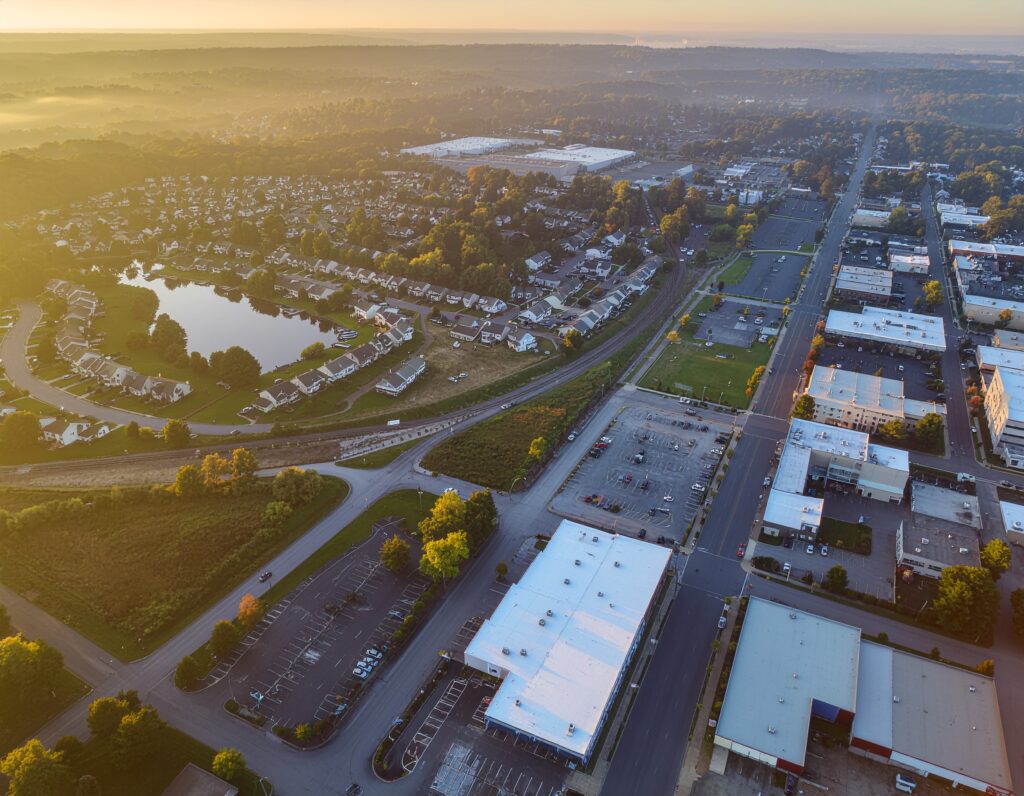
What Is Real Estate?
At its core, real estate is:
Land, anything permanently attached to it (like buildings), the air rights above, and the underground rights below. The Balance
Real estate also refers to the business of:
- Producing property (development and construction)
- Buying property
- Selling or renting property
So, when people say “real estate,” they might mean:
- The physical property itself
- Or the industry that moves that property around
The Four Main Types of Real Estate
Real estate falls into four big buckets. Understanding these categories helps you see how broad the industry really is.
1. Residential Real Estate
Residential real estate includes property where people live.
Common examples:
- Single-family homes
- Condos and townhomes
- Duplexes, triplexes, and fourplexes
- Co-ops and multi-generational homes
- Vacation homes
This is also the segment most people feel first. For example, rising rents in cities like Gilroy show how local rental markets are part of the residential real estate story. You can see this in detail in this breakdown of Gilroy rent trends and the recent move toward a $2,000 average rent.
Residential property can be:
- Owner-occupied (your main home)
- Used as a rental (income property)
- Or both over time
2. Commercial Real Estate
Commercial real estate is property used for business.
This category includes:
- Offices and coworking buildings
- Retail centers and strip malls
- Medical and educational buildings
- Hotels and hospitality properties
Even though they house people, apartment buildings with multiple units are often treated as commercial, because they are usually owned for income rather than personal use.
In high-value markets like the Bay Area, commercial and high-end residential sometimes blend. For example, Bay Area luxury homes that keep rising while mid-tier housing slips behind show how premium neighborhoods can behave more like investment-grade assets than simple homes.
3. Industrial Real Estate
Industrial real estate supports how goods are made and moved.
Typical examples:
- Manufacturing plants
- Warehouses
- Distribution centers
- Research and development facilities
These properties often sit near highways, ports, or rail lines. They may not be glamorous, but they are essential to supply chains, e-commerce, and logistics.
4. Land (Vacant Land and Working Land)
Finally, land itself is a major type of real estate.
This includes:
- Vacant lots
- Working farms
- Ranches
- Undeveloped or early-stage subdivision sites
Land can be:
- Undeveloped (no buildings, roads, or utilities)
- In early development or reuse
- Part of a subdivision or site assembly
Even before anything is built, land carries value based on zoning, location, water access, and future development potential.
Improved vs. Unimproved Real Estate
Real estate professionals often talk about “improved” and “unimproved” land.
- Improved land has structures or infrastructure.
- For example: a house, a road, a septic system, or utility connections.
- Unimproved land has none of these.
Improved land usually costs more but is easier to use right away. Unimproved land can be cheaper, but you must budget for future development.
Who Makes Real Estate Work? Key Players
Real estate is not just properties; it’s people and roles.
Real Estate Agents and REALTORS®
Most buyers and sellers work with real estate agents.
There are two main types:
- Listing (seller’s) agents
- Help set the price using recent comparable sales (“comps”)
- Market the property
- Negotiate to get the highest price and best terms
- Buyer’s agents
- Help you find properties that match your budget
- Run comps so you don’t overpay
- Negotiate for the lowest acceptable price
- Guide you through inspections, financing, and closing
Some agents are also REALTORS®, meaning they belong to the National Association of Realtors and follow its code of ethics.
How Real Estate Signals the Health of the Economy
Real estate is a major economic engine. It affects construction, jobs, consumer spending, and investment. Because of that, economists watch real estate data very closely. The Balance
Here are a few of the most important signals.
New Home Construction and Housing Starts
The U.S. Census Bureau tracks new residential construction, including:
- Permits
- Housing starts (when construction begins)
- Completions Census.gov+1
When housing starts rise, builders feel confident and expect demand. When starts fall sharply, it can point to:
- Tighter financing
- Higher construction costs
- Or falling buyer demand
Industry groups like the National Association of Home Builders (NAHB) use this data to track trends in new and existing home sales and overall inventory. National Association of Home Builders+1
Inventory and Months of Supply
Two more key concepts are:
- Inventory: the number of homes listed for sale
- Months of supply: how long it would take to sell all current listings at the current sales pace
NAHB and other groups often call 4–6 months of supply a “balanced” market. When months of supply rises above that level, builders can slow down. When it falls below that level, prices can face upward pressure. National Association of Home Builders+2National Association of Home Builders+2
Home Prices and Existing Sales
Price data comes from two main sources:
- The Census Bureau, which tracks new home prices Census.gov
- The National Association of Realtors (NAR), which reports existing-home sales, median prices, and months of inventory NAR+2NAR+2
Existing-home data often reflects the real lived market better than new construction does, because most people buy existing homes rather than brand-new ones.
At the local level, these trends show up in very specific ways. For instance, Bay Area luxury homes have continued to rise even while mid-tier housing has softened. That kind of split is a perfect example of how different parts of the real estate market can move in opposite directions at the same time.
How Real Estate Development Shapes Cities
Real estate is also about projects, not just individual homes.
Large mixed-use projects can:
- Add housing
- Bring new office or retail space
- Change traffic patterns
- Shift where people live and work
In regions like the Bay Area, for example, 5 mega-projects are actively reshaping the real estate landscape and long-term housing dynamics. These developments influence:
- Future home prices
- Local jobs
- Transit and infrastructure demand
As a result, real estate development is tightly linked to long-term economic growth.
Investing in Real Estate: Main Approaches
Once you understand what real estate is, the next question is obvious: how do people invest in it?
There are two broad paths: direct ownership and indirect investments.
Direct Ownership
The most common form of real estate investing is simply:
- Buying a home and living in it
Over time, owners may:
- Build equity as they pay down their mortgage
- Benefit from price appreciation
- Use tax benefits tied to mortgage interest and property taxes (subject to current law)
Beyond a primary home, investors also:
- Buy rental properties and collect monthly rent
- Flip houses by buying, renovating, and reselling
Short-term rentals through platforms like Airbnb sit somewhere between hospitality and traditional rental property, but they are still part of the real estate universe.
Indirect Real Estate Investments
If you don’t want to own physical property, you can still invest in real estate through:
- Homebuilder stocks, which rise and fall with construction cycles FRED+1
- Real Estate Investment Trusts (REITs)
REITs are companies that own and manage portfolios of properties, such as:
- Office towers
- Apartment buildings
- Data centers
- Shopping centers
By law, most REITs must pay out at least 90% of their taxable income to shareholders as dividends. The Balance
Because of this rule, REITs are often used for income-focused investing.
Why Real Estate Still Matters in 2025
Real estate has always had a deep connection with:
- Wealth building
- Local politics
- Access to credit
Historically, the U.S. even tied voting rights to property ownership in its early years. The Balance
Today, although the rules have changed, real estate still shapes:
- Household net worth
- Intergenerational wealth
- Community development
- Tax revenue and public services
Because of that, understanding what real estate is — and how it behaves as both a physical asset and a business — remains essential for anyone planning their financial future.
Key Takeaways: Real Estate in One Glance
To recap, here are the most important points:
- Real estate is land, buildings, and the rights above and below the land.
- It comes in four major types: residential, commercial, industrial, and land.
- Real estate drives and reflects the economy through construction, jobs, and prices.
- Data such as housing starts, inventory, and existing-home sales help signal where the market is heading. Census.gov+4Census.gov+4National Association of Home Builders+4
- People invest directly (personal homes, rentals, flipping) and indirectly (homebuilder stocks, REITs).
If you keep those ideas in mind, articles about “the housing market,” “home prices,” or “commercial real estate” will suddenly make a lot more sense.