





If you’re buying a home in California, you need to learn what Jumbo Loan are. Or things get confusing
However, the confusion usually starts with one word.
Jumbo.
At first, many buyers assume a jumbo loan means “luxury.”
In reality, that’s not always true.
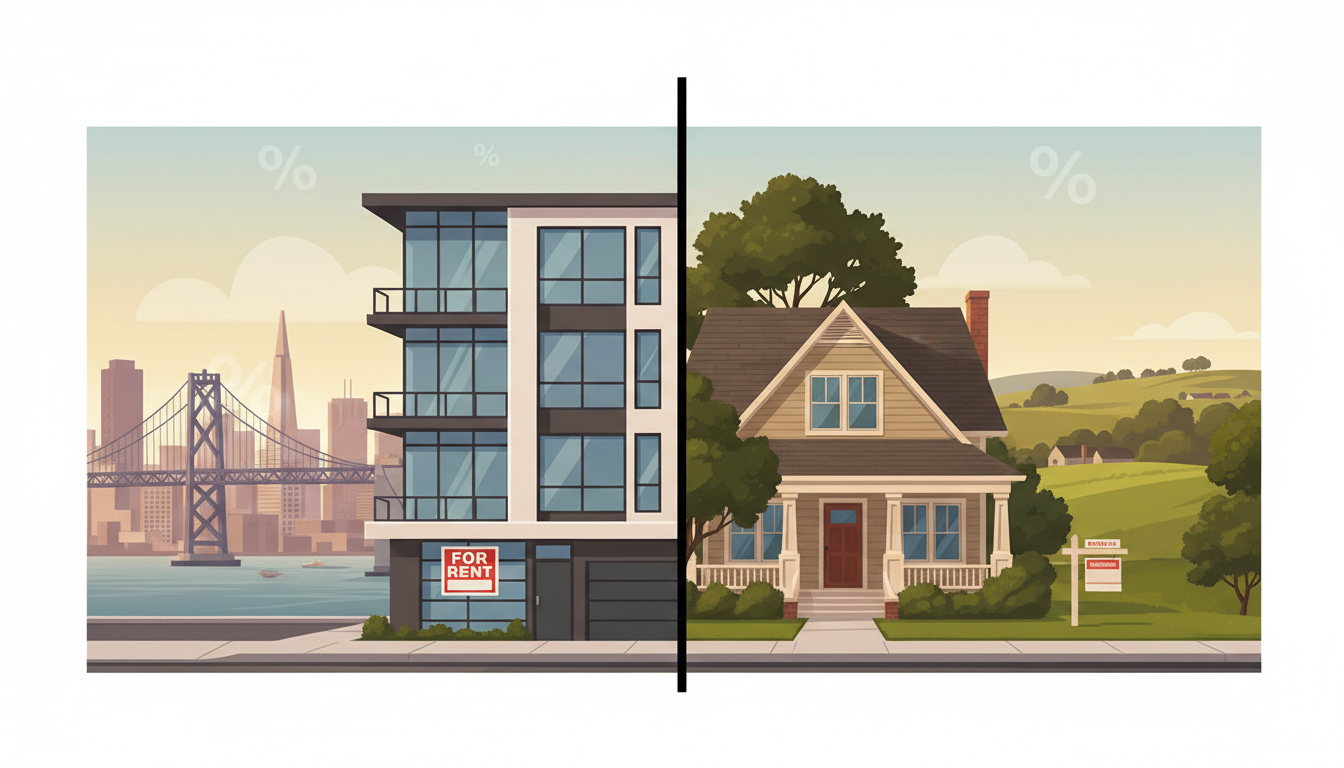
Instead, whether your loan is jumbo or not depends mainly on where you’re buying.
Because California prices vary so much, loan limits change by county.
As a result, the same loan can be conforming in one area and jumbo in another.

Let’s Start Simple: What Is a Conforming Loan?
Before talking about jumbo loans, it helps to slow things down.
First, every year, the federal government sets loan limits.
Specifically, the FHFA adjusts these limits based on home prices.
Because prices rise over time, the limits usually increase too.
Therefore, conforming loans are simply mortgages that stay under those limits.
Once a loan goes over the limit, it becomes jumbo.
That’s it.
🏡 2026 California Conforming Loan Limits (Easy Version)
Now, let’s look at the actual numbers.
In most California counties, the 2026 limit is:
➡️ $832,750 for a single-family home
However, some counties are more expensive.
Because of that, they qualify for higher limits.
In those high-cost areas, the maximum limit jumps to:
➡️ $1,249,125
So, right away, location matters.
📍 Which California Counties Get the Highest Limits?
Next, let’s talk geography.
Certain counties officially qualify as high-cost.
Because of that designation, buyers there can borrow more without using a jumbo loan.
These counties include:
- Alameda
- Contra Costa
- Los Angeles
- Marin
- Orange
- San Benito
- San Francisco
- San Mateo
- Santa Clara
In all of these places, loans up to $1,249,125 are still considered conforming.
📍 Counties With Limits Somewhere in Between
Meanwhile, other counties land in the middle.
They’re not baseline.
They’re not maxed out either.
For one-unit homes, examples include:
- Santa Cruz: $1,249,125
- San Diego: $1,104,000
- Ventura: $1,035,000
- San Luis Obispo: $1,000,500
- Santa Barbara: $941,850
Because of this, county lines truly matter.
Even neighboring areas can have very different rules.
🔍 So… What Actually Makes a Loan “Jumbo”?
Here’s the clean definition.
👉 Any loan that goes above your county’s limit is jumbo.
Nothing more.
Nothing less.
For example:
- In Los Angeles County, jumbo starts above $1,249,125
- In San Bernardino County, jumbo starts above $832,750
Same state.
Different outcome.
That’s why buyers need to check limits early.
🏘️ Multi-Unit Property Limits (1–4 Units)
Now, let’s shift gears.
If you’re buying more than one unit, limits increase.
That’s because multi-unit homes produce income.
Here’s a quick breakdown:
- 1-unit: $832,750 → $1,249,125
- 2-unit: $1,066,250 → $1,599,375
- 3-unit: $1,288,800 → $1,933,200
- 4-unit: $1,601,750 → $2,402,625
Again, the higher numbers apply only in high-cost counties.
💼 How to Qualify for a Jumbo Loan (Real Talk)
Because jumbo loans are larger, lenders look closer.
However, qualifying is very doable with preparation.
Most lenders focus on a few things:
- Credit score:
Ideally 680 or higher - Debt-to-income ratio:
Preferably under 43% - Cash reserves:
Often 3 to 12 months of payments - Income proof:
W-2s, tax returns, or alternative documentation
📌 Because of this, paying down debt early helps a lot.
💸 Low Down Payment Jumbo Options (Yes, They Exist)
Many buyers think jumbo means 20% down.
Surprisingly, that’s no longer always true.
Today, qualified buyers may access:
- 5% down jumbo loans up to $2M
- 10% down jumbo loans up to $3M
Even better, some programs skip PMI entirely.
That said, stronger credit is usually required.
🔄 Using a Combo Loan Instead
Sometimes, buyers avoid jumbo altogether.
How?
By splitting the loan.
This is called a combo loan.
A common setup looks like this:
- 80% first mortgage
- 10% second mortgage
- 10% down payment
As a result, buyers may:
- Avoid PMI
- Keep the first loan conforming
- Gain flexibility
Additionally, 80/15/5 options exist for higher leverage.
🏠 Bank Statement Jumbo Loans (Self-Employed Buyers)
For self-employed buyers, income can look smaller on paper.
Fortunately, there’s another option.
Bank statement jumbo loans allow buyers to:
- Use 12–24 months of bank deposits
- Skip tax returns
- Borrow up to $3M+
- Put 10–15% down
Because of this, entrepreneurs and gig workers often qualify more easily.
🌉 Why This Matters in the Bay Area Right Now
As prices rise, jumbo loans are becoming normal.
Especially in the Bay Area.
Major projects continue reshaping housing demand:
👉 https://temblog.org/the-new-bay-area-5-mega-projects-reshaping-the-real-estate-landscape-in-2025/
At the same time, weekly market shifts affect affordability:
👉 https://temblog.org/bay-area-housing-market-update-this-week-prices-inventory-buyer-demand/
Together, these forces make loan structure more important than ever.
Final Takeaway
A jumbo loan isn’t about status.
Instead, it’s about math and location.
In California, county rules decide everything.
Therefore, knowing your local limit early can save time, money, and stress.