





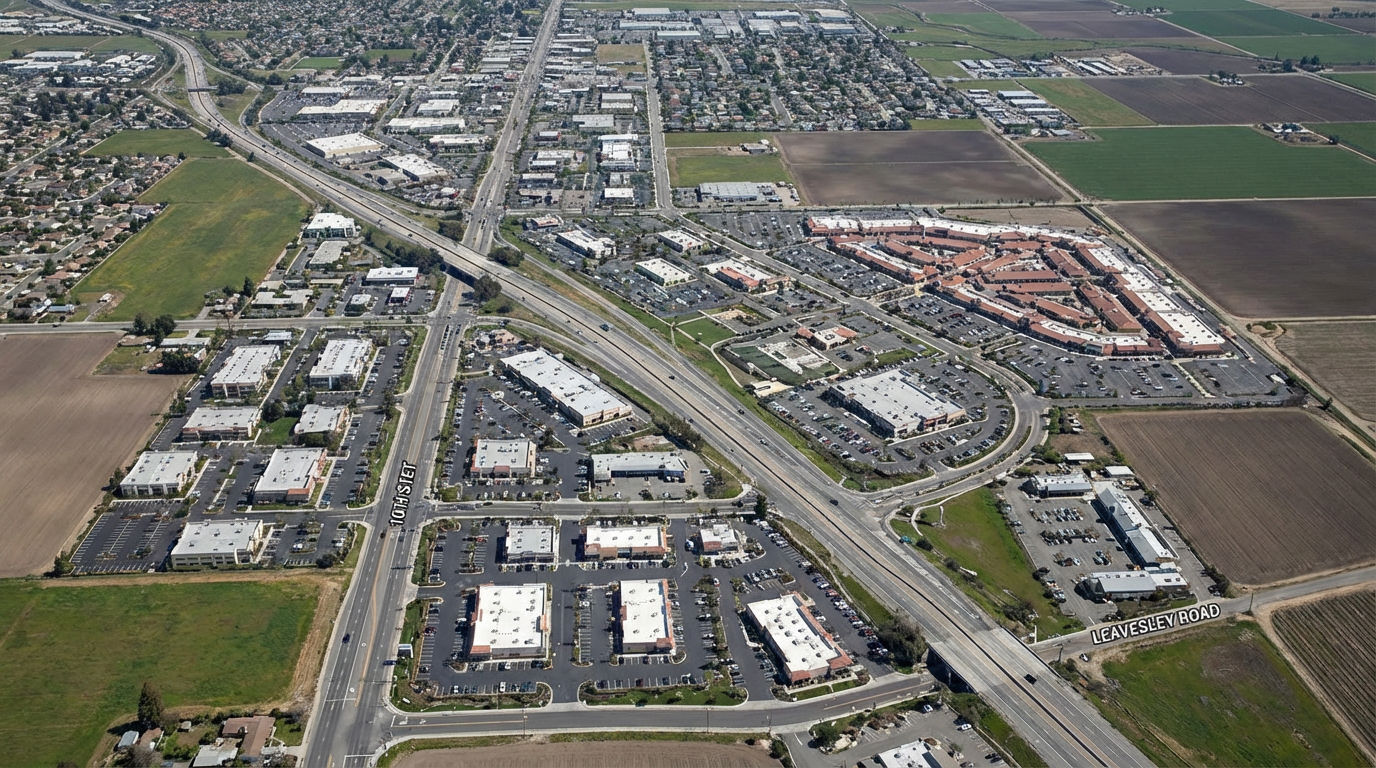
At first glance, Gilroy city planning documents feel dry.
However, experienced investors see something else.
They see direction.
They see intent.
Most importantly, they see early signals.
Because commercial growth rarely starts with cranes, planning activity often tells the story first.
Why Commercial Planning Activity Matters Early
To begin with, commercial projects take time.
Because of that, approvals usually happen long before demand becomes obvious.
As a result, those who pay attention early gain context.
Meanwhile, those who wait often react late.
That difference matters.
Especially in smaller, growing cities like Gilroy.
Commercial Patterns Emerging in Gilroy
Rather than focusing on hype, it helps to focus on patterns.
When commercial activity shows up repeatedly in certain locations, it usually means something.
Not speculation.
Not buzz.
Just math.
Fuel and Convenience Projects Point to Traffic Confidence
For example, fuel and convenience developments are data-driven.
They follow traffic counts.
They follow daily usage.
They follow repeat behavior.
Because of that, when projects like Travel Park Circle–area commercial developments move through planning, it often signals:
- Consistent vehicle flow
- Predictable customer volume
- Long-term site viability
In other words, these projects don’t chase trends.
Instead, they confirm existing demand.
Commercial Activity Along Major Roads Reinforces Core Corridors
Similarly, repeated activity along major roads often reinforces their importance.
When multiple commercial applications appear along the same corridors, it usually suggests:
- Proven visibility
- Ongoing business relevance
- Long-term commercial use
Over time, these corridors tend to attract service businesses, retail users, and local operators who rely on steady traffic rather than spikes.
Highway-Adjacent Development Reflects Strategic Positioning
Meanwhile, projects tied to highway access often signal something different.
They reflect positioning.
They reflect access.
They reflect logistics.
Because highways support movement of people and goods, nearby commercial projects often align with:
- Service-based operations
- Distribution-adjacent uses
- Long-term commercial stability
Even without immediate construction, early planning in these areas is worth watching.
Why Gilroy Continues to Draw Commercial Attention
Broadly speaking, Gilroy sits in a unique spot.
On one hand, land costs remain lower than in core Bay Area cities.
On the other hand, connectivity remains strong.
Because of that balance, Gilroy often attracts commercial interest that looks for function over flash.
This trend fits into larger regional shifts already underway:
👉 https://temblog.org/the-new-bay-area-5-mega-projects-reshaping-the-real-estate-landscape-in-2025/
At the same time, market conditions continue to evolve week by week:
👉 https://temblog.org/bay-area-housing-market-update-this-week-prices-inventory-buyer-demand/
Together, these forces help explain why commercial planning activity keeps appearing locally.
What Consistent Commercial Planning Usually Signals
To be clear, not every project guarantees success.
However, consistency often signals confidence.
Confidence from businesses choosing locations.
Confidence from developers submitting applications.
Confidence from a city approving continued use.
Over time, that confidence compounds.
And in commercial real estate, compounding matters.
Final Takeaway
In the end, Gilroy’s commercial pipeline does not reflect speculation.
Instead, it reflects measured movement.
It reflects functional growth.
And for investors and local businesses, that kind of clarity is often the most valuable signal of all.