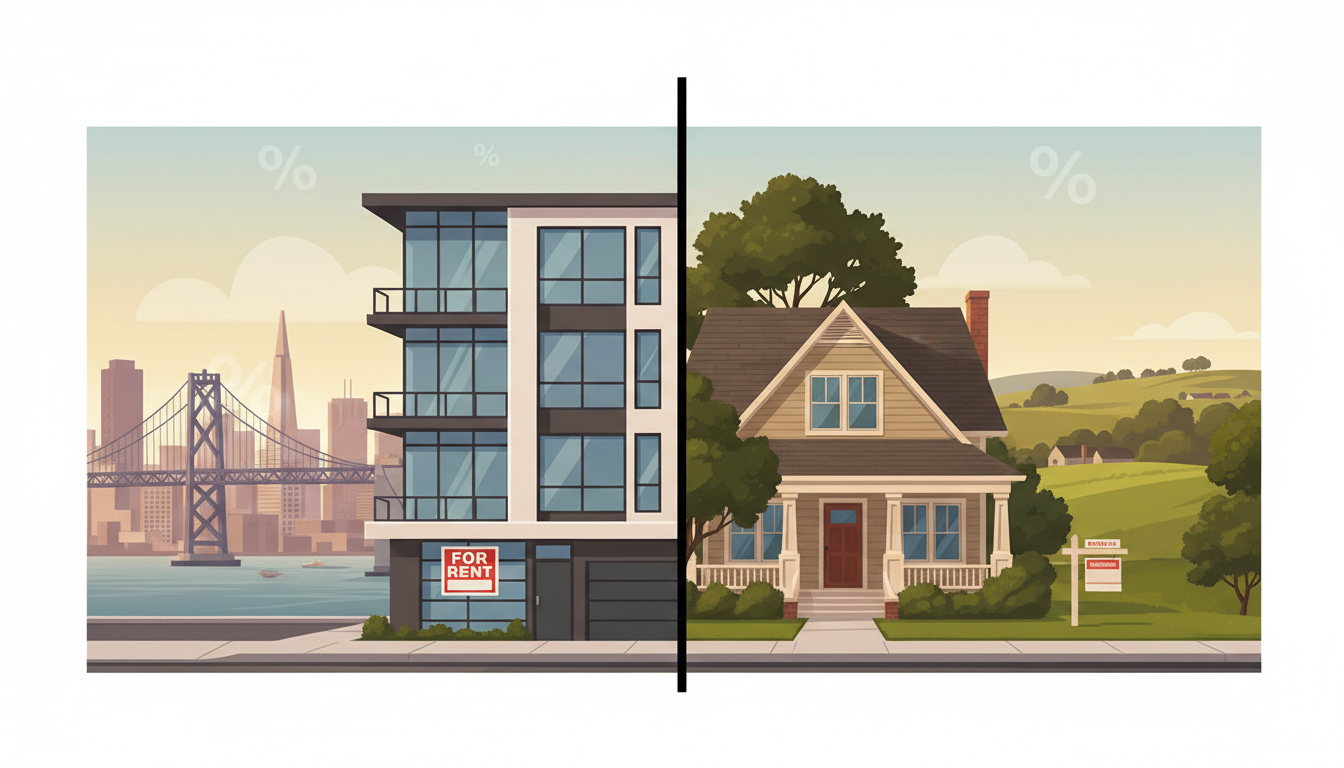





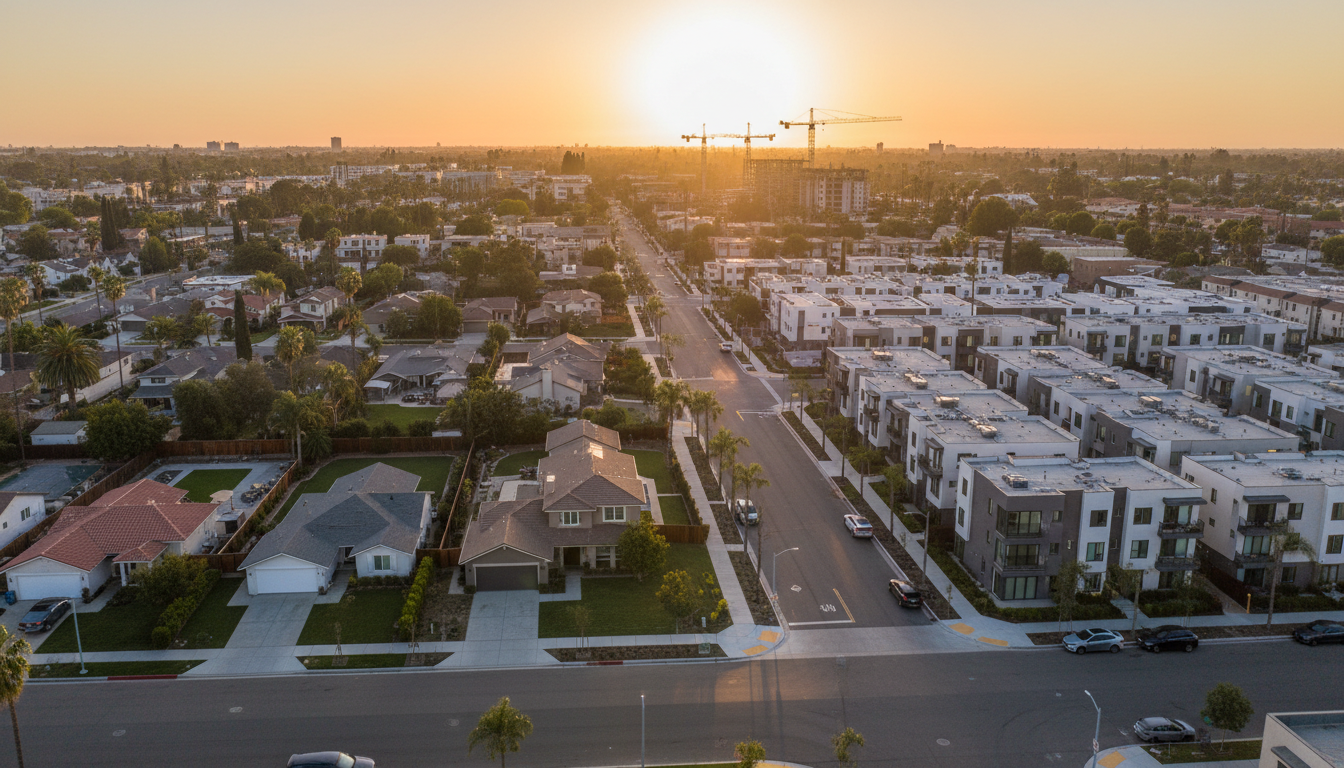
California’s housing market is changing fast. However, this time the shift isn’t being driven by mortgage rates or buyer demand. Instead, it’s zoning reform that is quietly rewriting how, where, and what gets built.
For decades, strict zoning slowed housing construction. Now, that system is being dismantled. As a result, new zoning laws are unlocking massive development potential across the state.
More importantly, these changes directly impact affordability, supply, and long-term home values.
So, what exactly changed? And why does it matter right now?
Let’s break it down clearly.

Why California Was Forced to Change Zoning Rules
For years, California underbuilt housing. Meanwhile, population and job growth surged. Consequently, prices exploded.
At the same time, cities relied heavily on single-family zoning, which blocked:
- Duplexes
- Triplexes
- Small apartment buildings
- Mixed-use developments
Because of this restriction, supply stagnated while demand soared. Naturally, prices followed.
As affordability worsened, pressure mounted. Eventually, the state stepped in.
The Core Zoning Changes Now in Effect
1. Single-Family Zoning Is No Longer Sacred
Most importantly, California effectively ended exclusive single-family zoning.
Now, on many residential lots, owners can legally build:
- Duplexes
- Triplexes
- Even fourplexes in some cases
As a result, thousands of previously “frozen” neighborhoods suddenly allow higher density.
This alone represents one of the biggest land-use shifts in state history.
2. SB 9 & Lot Splits Are Transforming Backyards into Housing
Under Senate Bill 9:
- Homeowners can split one lot into two
- Each lot can contain two units
In other words, one home can now become four housing units.
Consequently, backyard development is exploding—especially in high-demand cities.
3. Transit-Oriented Zoning Is Accelerating Density
Meanwhile, another powerful trend is reshaping urban cores.
Cities must now allow increased density near:
- Train stations
- Light rail
- Major bus corridors
Because of this, mid-rise apartments and mixed-use buildings are rapidly replacing old retail strips and parking lots.
This trend directly connects to major projects now underway:
👉 https://temblog.org/the-new-bay-area-5-mega-projects-reshaping-the-real-estate-landscape-in-2025/
How These Zoning Changes Affect Home Prices
At first glance, more supply should mean lower prices. However, the outcome is more complex.
On one hand:
- More units reduce pressure in the long term
- Investors gain new building opportunities
- Entry-level inventory increases
On the other hand:
- Land values often rise due to development potential
- Tear-down homes command premiums
- Builder competition intensifies
As a result, zoning reform temporarily increases land prices before stabilizing rents.
This explains why luxury housing still outperforms mid-tier markets:
👉 https://temblog.org/bay-area-luxury-homes-keep-rising-while-mid-tier-housing-slips-behind/
Why Builders Still Can’t Build Fast Enough
Even with zoning unlocked, construction remains constrained.
Because:
- Labor shortages persist
- Material costs remain elevated
- Environmental reviews slow approvals
- Financing is harder with higher rates
Therefore, zoning reform fixes the legal barrier — but construction capacity remains the bottleneck.
This is why affordability pressure continues even in secondary cities like Gilroy:
👉 https://temblog.org/gilroy-rent-trends-december-2025-average-rent-hits-2000/
Who Benefits the Most from Zoning Reform?
Interestingly, the biggest winners right now are:
- Small-scale developers
- Homeowners adding ADUs
- Investors buying under-zoned properties
- Cities near transit corridors
Meanwhile, renters benefit later — once enough supply finally reaches completion.
Why This Matters for Buyers Right Now
If you’re buying in California today, zoning is now part of your investment strategy.
Because:
- A basic home may now sit on entitled development land
- Neighborhood density is changing rapidly
- Rental potential is rising citywide
- Long-term resale values may benefit from flexible use
In other words, zoning has become a hidden value multiplier.
Final Takeaway
California’s zoning laws didn’t just change housing rules.
They changed:
- What land is worth
- What neighborhoods will become
- Where affordability will emerge
- How investors position capital
And most importantly, they changed who wins next in California real estate.