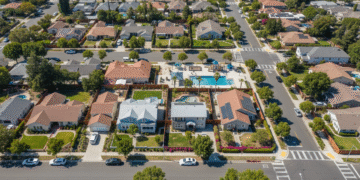





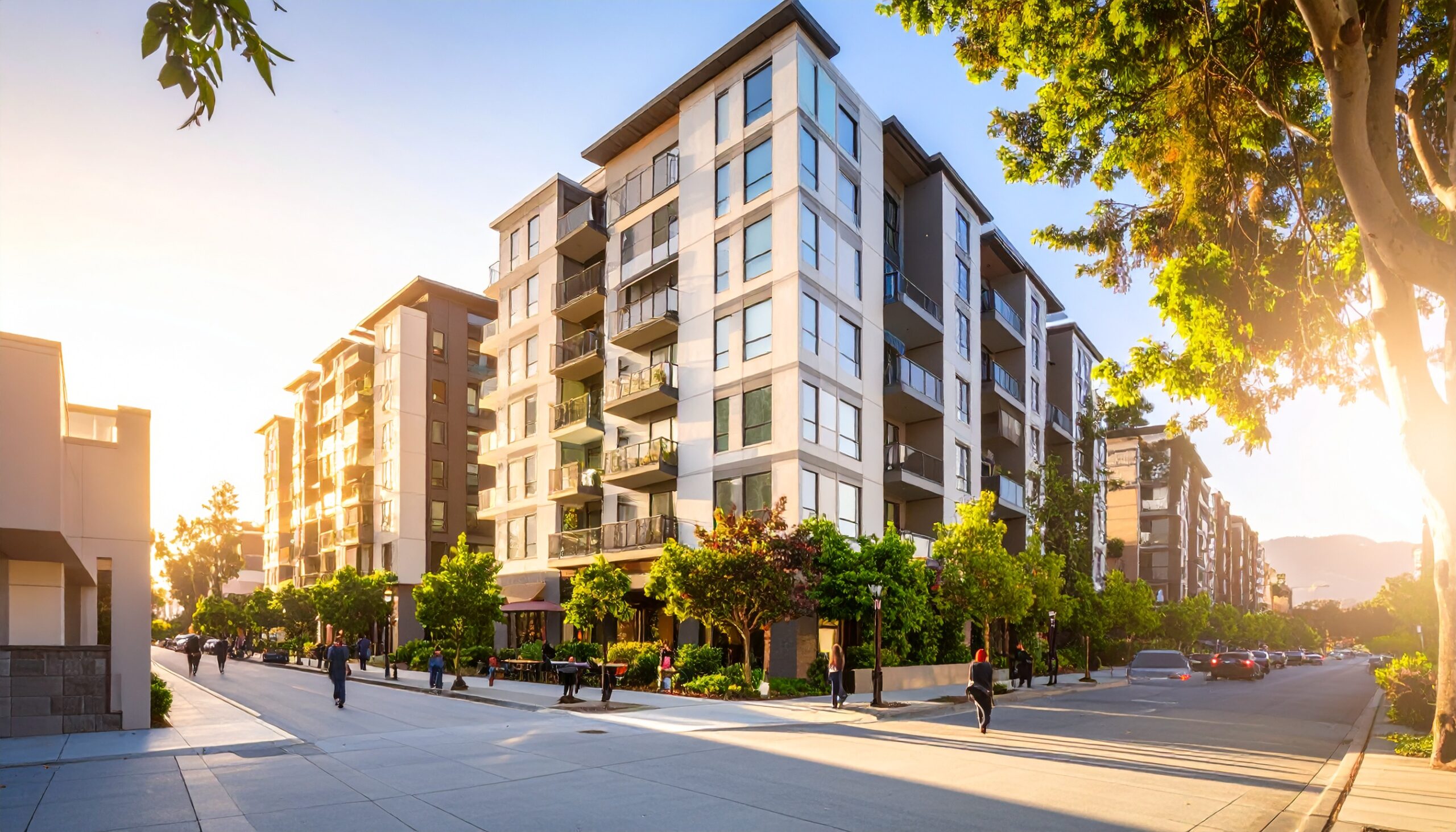
Redwood City is no longer just talking about growth. Instead, it is actively building it.
And while market headlines often focus on San Francisco or San Jose, Redwood City is quietly becoming one of the most important development hubs on the Peninsula. Even more importantly, many of these projects are already deep in the review process or moving toward construction.
So, naturally, if you live nearby, invest locally, or simply track Bay Area real estate trends, these are the projects that actually matter.
First, Why Redwood City Matters Right Now
To begin with, the Bay Area housing market remains tight. Inventory is still constrained, buyer demand is selective, and pricing pressure has not disappeared. As outlined in this recent Bay Area housing market update, supply remains the single biggest issue across the region.
https://temblog.org/bay-area-housing-market-update-this-week-prices-inventory-buyer-demand/
Because of that, cities that are actively approving housing and mixed use developments immediately stand out.
And right now, Redwood City is doing exactly that.
Redwood Square at El Camino Real
Perhaps the most impactful project underway is Redwood Square, located along El Camino Real.
This development is designed to bring high density residential living directly into one of the city’s most transit connected corridors. As a result, it supports walkability, reduces commute pressure, and aligns with long term state housing goals.
Moreover, projects like this reflect a broader Bay Area shift toward urban infill rather than sprawl, something also seen in other large regional projects.
https://temblog.org/the-new-bay-area-5-mega-projects-reshaping-the-real-estate-landscape-in-2025/
Because of its location and scale, Redwood Square is expected to influence nearby property values, rental demand, and retail activity.
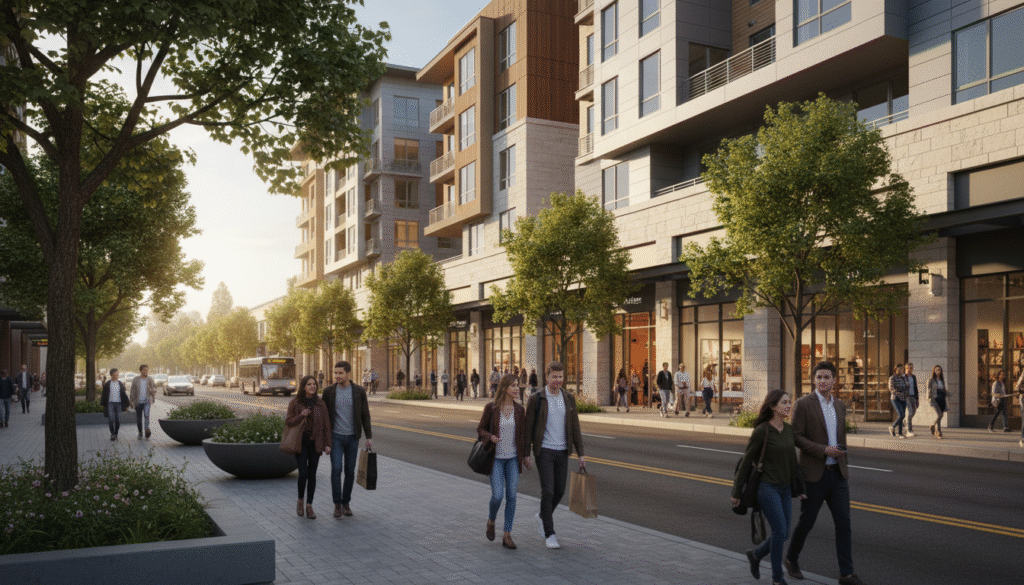
1330 El Camino Real and the Discovery Area
Just a short distance away, the Redwood City Discovery project at 1330 El Camino Real is another key development worth watching.
This area is being positioned as a more modern, mixed residential corridor that blends housing with services and transit access. Consequently, it appeals to both renters and long term owners looking for proximity without downtown congestion.
Additionally, El Camino Real projects tend to attract attention from institutional investors, especially given their predictable demand and zoning stability.
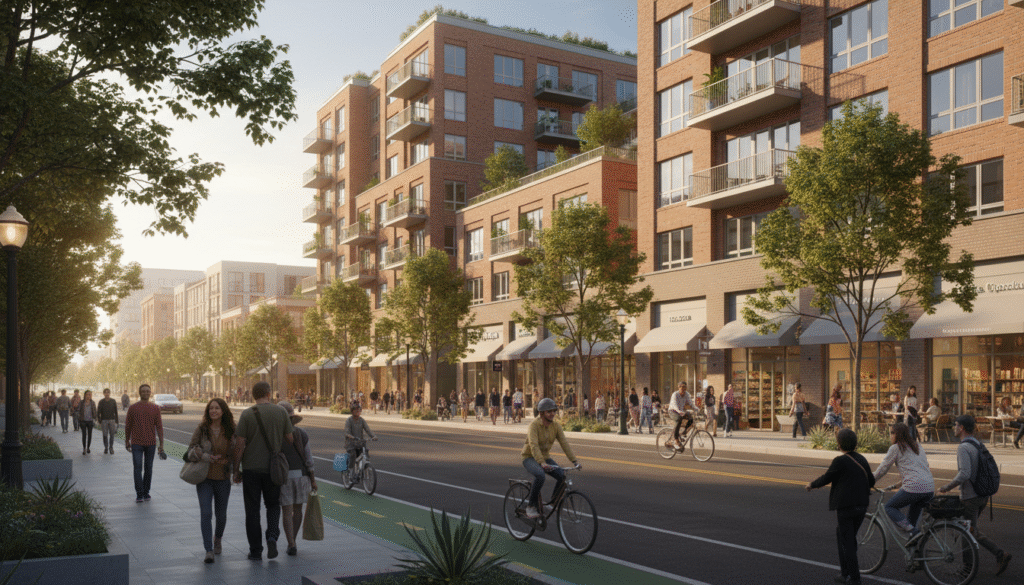
Affordable Housing at 1580 Maple Street and 112 Vera Avenue
At the same time, Redwood City is not ignoring affordability.
Projects at 1580 Maple Street and 112 Vera Avenue are specifically designated for affordable housing. And while these developments may not generate headlines, they play a critical role in meeting state mandated housing requirements.
More importantly, affordable housing projects often unlock future approvals for market rate developments, which means their impact goes far beyond their unit count.
This approach mirrors trends seen across the Bay Area, where cities are balancing luxury demand with workforce housing needs.
https://temblog.org/bay-area-luxury-homes-keep-rising-while-mid-tier-housing-slips-behind/
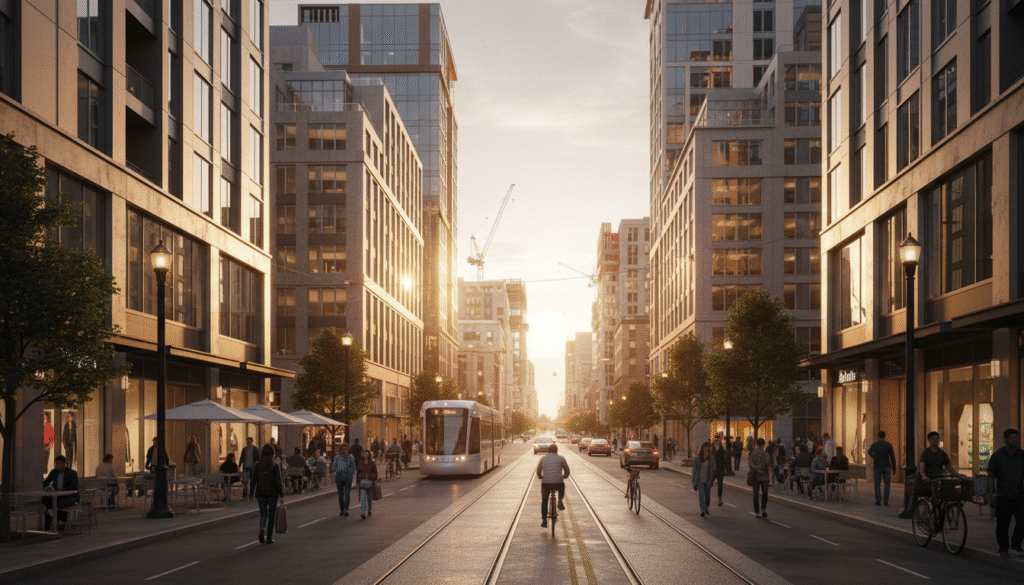
Stanford Precise Plan Blocks on Broadway
Moving into the downtown core, the Stanford Precise Plan Blocks C and E represent a significant long term transformation.
These projects are part of a broader redevelopment strategy tied to Stanford affiliated land use. As expected, they include a mix of residential, commercial, and public space components.
Because these blocks sit in a prime downtown location, they are likely to reshape pedestrian traffic, business density, and housing supply all at once.
Naturally, developments of this scale tend to redefine neighborhoods rather than simply add buildings.

Hotel and Hospitality Growth Along Veterans Boulevard
Meanwhile, hospitality is also expanding.
Projects like the Hyatt Place on Broadway and the Hotel Sequoia on Main Street highlight renewed confidence in business travel and regional tourism.
Even more telling, hotels often arrive before major economic growth phases, not after them. That makes these developments an important signal rather than a side note.
According to regional data, Peninsula cities with growing hotel inventory often see increased retail leasing and job growth within a few years.
https://www.sfchronicle.com/realestate/

Mixed Use Growth at Broadway Plaza and Elco Yards
Finally, mixed use developments like Broadway Plaza and Elco Yards deserve special attention.
These projects combine residential units with commercial space, which is exactly the type of development cities now prioritize. They activate streets, support local businesses, and reduce car dependency.
More importantly, mixed use projects tend to be more resilient during market slowdowns, making them attractive from both a city planning and investment standpoint.
How This Connects to the Bigger Bay Area Picture
When you zoom out, Redwood City’s development pipeline fits perfectly into the broader regional story.
Smaller but strategically located cities are absorbing growth that core metros can no longer handle. That same pattern is visible in places like Gilroy, where rent trends continue to rise as demand spills outward.
https://temblog.org/gilroy-rent-trends-december-2025-average-rent-hits-2000/
In other words, Redwood City is not an exception. It is a case study.
What to Watch Next
Going forward, pay attention to three things.
First, planning approvals transitioning into construction.
Second, how affordable housing projects unlock future density.
Third, how mixed use developments change neighborhood dynamics.
Together, these signals will shape Redwood City’s real estate market for years.