



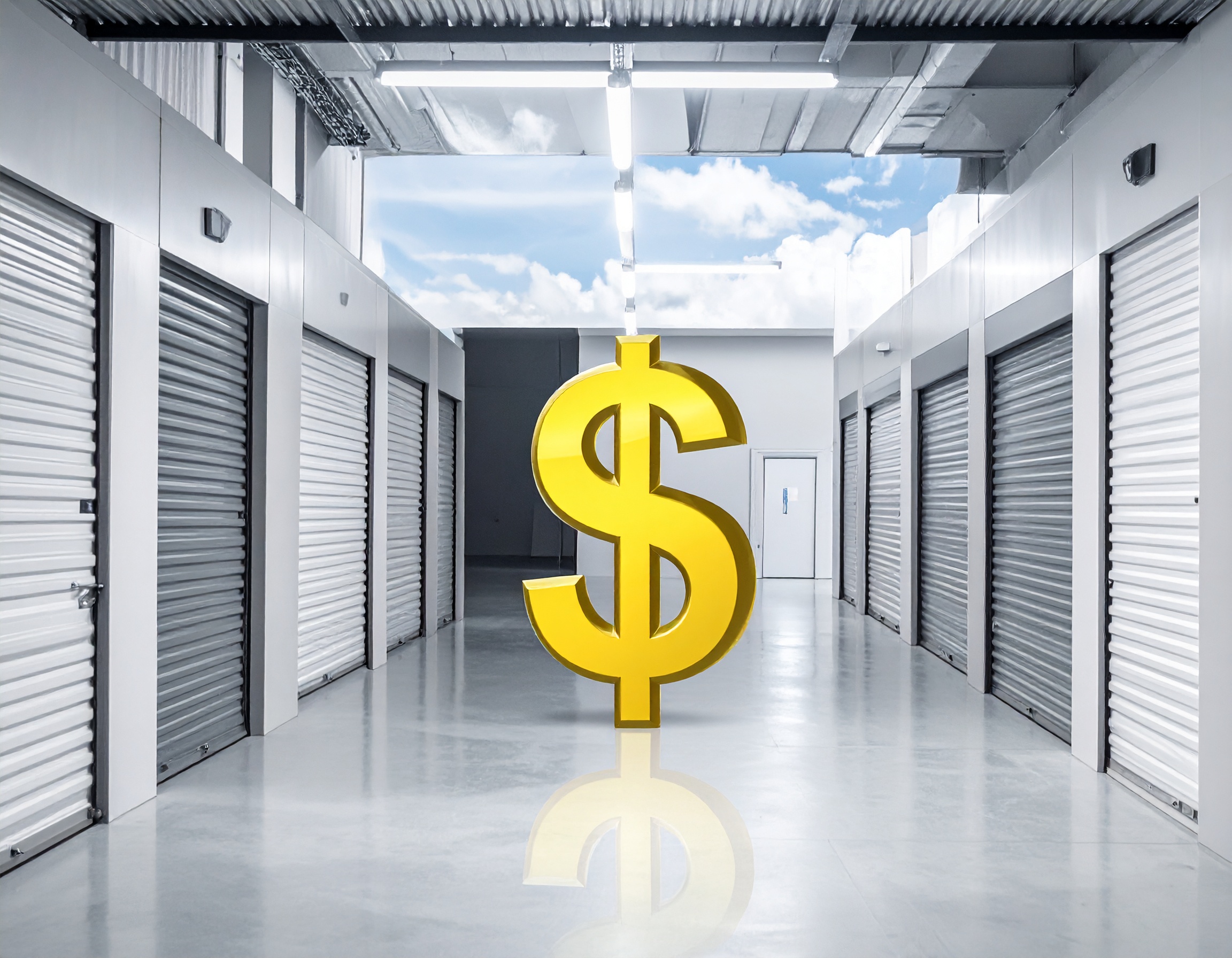
Self-storage is one of the most recession-resistant real estate investments, with consistent 15-20% annual returns for savvy investors. Here’s everything you need to know about entering this lucrative niche.
Why Self-Storage Outperforms Traditional Real Estate
According to the Self-Storage Association, the industry has grown 7.7% annually for the past decade, outpacing most commercial real estate sectors.
Key advantages:
- Lower operating costs (no kitchens, bathrooms, or HVAC to maintain)
- Minimal tenant improvements needed
- Month-to-month leases (easy to raise rates)
- Recession-resistant (people downsize and need storage)
- Strong cash flow (60-70% profit margins typical)
The numbers:
- National occupancy rate: 90%+ (per Yardi Matrix)
- Average annual return: 15-20%
- Typical cap rate: 8-12%
Market Analysis: Where Self-Storage Thrives
Best markets (2025 data from Marcus & Millichap):
- Phoenix, AZ – Population growth 1.8%/year
- Austin, TX – Tech migration driving demand
- Tampa, FL – Retiree influx
- Charlotte, NC – Corporate relocations
- Nashville, TN – Job growth 2.1%/year
Market indicators to check:
- Population growth (1%+ annually)
- Household income ($50k+ median)
- Supply per capita (under 7 sq ft per person)
- Proximity to residential areas (3-5 mile radius)
The Three Ways to Invest in Self-Storage
Option 1: Buy Existing Facility
Typical deal structure:
- Purchase price: $1.5M-$5M for 40,000-60,000 sq ft
- Down payment: 25-35% ($375k-$1.75M)
- Financing: 20-year commercial loan at 7-9%
Key metrics to analyze:
- Occupancy rate (target 85%+ for established facilities)
- Current rental rates vs. market (check competitors within 3 miles)
- Unit mix (climate control vs. standard)
- Deferred maintenance needs
Where to find deals:
- LoopNet.com – Largest commercial listing site
- Self-storage brokers (national firms like The BSC Group)
- Direct mail to owners of older facilities (40+ years old)
Option 2: Build New Facility (Development)
Economics:
- Land cost: $200k-$500k (2-3 acres typical)
- Construction: $40-$60 per sq ft
- Total project: $2M-$3.5M for 50,000 sq ft
- Timeline: 18-24 months from purchase to stabilization
Feasibility requirements:
- Zoning: Commercial or light industrial (check before buying land)
- Traffic count: 15,000+ cars/day on nearby roads
- Competition analysis: Under 7 sq ft per capita within 3-mile radius
- Demographics: 50,000+ population within 3-mile radius
Development process:
- Land acquisition (Months 1-3)
- Entitlements and permits (Months 4-9)
- Construction (Months 10-18)
- Lease-up (Months 19-24)
- Stabilization (85%+ occupancy)
Option 3: Self-Storage REITs (Passive Investment)
Top publicly traded REITs:
- Public Storage (PSA) – $46B market cap, 2,900+ facilities
- Extra Space Storage (EXR) – $22B market cap, 3,500+ facilities
- CubeSmart (CUBE) – $7B market cap, 1,300+ facilities
Returns (5-year average per Nareit):
- Dividend yield: 3-4%
- Total return: 8-12% annually
- Minimum investment: Price of 1 share (~$100-300)
The Self-Storage Business Model Explained
Revenue streams:
- Unit rentals (80-85% of revenue)
- Late fees and locks (5-10%)
- Retail sales (boxes, tape, locks): 5-10%
- Tenant insurance: 5-8%
Operating expenses (as % of revenue):
- Property management: 5-8%
- Marketing: 3-5%
- Maintenance: 4-6%
- Property taxes: 8-12%
- Insurance: 2-4%
- Utilities: 3-5%
- Total: 25-40% of revenue
Example cash flow (50,000 sq ft facility):
- Gross revenue (85% occupied, $12/sq ft): $510,000/year
- Operating expenses (35%): $178,500/year
- Net Operating Income: $331,500/year
- Debt service ($1.5M loan, 7.5%): $165,000/year
- Cash flow: $166,500/year = 33% cash-on-cash return
Technology and Modern Operations
Essential technology stack:
- Online rental system (Tenant Web Access)
- Automated gate access
- Security cameras with remote viewing
- Dynamic pricing software (adjust rates based on occupancy)
- Online payment processing
Modern features that increase revenue:
- Climate-controlled units (charge 30-50% premium)
- 24-hour access
- Moving truck rentals
- Package acceptance service
Due Diligence Checklist
Before buying any facility:
□ Review 3 years of financial statements (verify income) □ Physical inspection (roof condition, pavement, doors) □ Environmental Phase I assessment (required by lenders) □ Title search (verify zoning, no liens) □ Survey (confirm property boundaries) □ Competition analysis (3-mile radius) □ Review all tenant leases (month-to-month vs. annual) □ Test online booking system □ Review insurance claims history
Financing Self-Storage Investments
Loan options:
- SBA 504 loan: 10% down, fixed rate, for owner-occupied
- Commercial mortgage: 25-35% down, 20-year amortization
- CMBS loan: 25-30% down, for larger facilities ($2M+)
Lender requirements:
- Minimum 75% occupancy (stabilized facilities)
- Debt service coverage ratio: 1.25X minimum
- Personal guarantee often required (under $3M loan)
Tax Benefits of Self-Storage
Depreciation schedule:
- Building: 39 years (commercial real estate)
- Land improvements: 15 years
- Personal property: 5-7 years
Cost segregation opportunity:
- 20-30% of building cost can be accelerated
- Typical $2M facility: $150k-$300k accelerated depreciation in year 1
1031 Exchange: Self-storage qualifies for like-kind exchanges (defer capital gains)
The Bottom Line
Best for investors who:
- Have $300k+ to invest (for acquisition)
- Want passive commercial real estate
- Are comfortable with higher complexity than residential
- Seek 15-20% annual returns
Entry paths:
- $100: Buy REIT shares
- $25k: Crowdfunding (platforms like Fundrise commercial)
- $300k+: Partner on facility purchase
- $500k+: Buy small facility solo