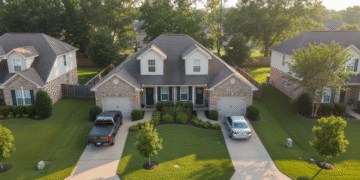






Building a million-dollar real estate portfolio might sound like a pipe dream reserved for Wall Street executives or trust fund beneficiaries. But here’s the truth: everyday investors are doing it right now using strategies that don’t require massive capital, perfect credit, or decades of experience.
In this comprehensive guide, you’ll learn the exact blueprint used by successful real estate investors to grow from zero to seven figures in property value. Whether you’re starting with $10,000 or $100,000, these proven strategies will show you the path forward.
Table of Contents
- Understanding What a Million Dollar Portfolio Actually Means
- The Real Numbers: How Much Do You Actually Need to Start?
- Strategy #1: The House Hacking Method
- Strategy #2: The BRRRR Strategy (Buy, Rehab, Rent, Refinance, Repeat)
- Strategy #3: Small Multifamily Properties
- Strategy #4: Out-of-State Investing in Cash Flow Markets
- Strategy #5: Real Estate Syndications and Crowdfunding
- The Financing Playbook: How to Fund Your Portfolio
- Tax Strategies That Accelerate Wealth Building
- Timeline: From $0 to $1 Million in Property Value
- Common Mistakes That Destroy Portfolios
- The Action Plan: Your First 90 Days
Understanding What a Million Dollar Portfolio Actually Means
Before we dive into strategies, let’s clarify what we’re actually building toward.
A million-dollar real estate portfolio doesn’t mean:
- Having $1 million in cash
- Owning properties free and clear
- Making $1 million in annual income
A million-dollar portfolio means:
- Total property values equal $1 million or more
- This includes debt (mortgages)
- You control assets worth $1 million
The Actual Math
Here’s what a million-dollar portfolio might look like in practice:
Example Portfolio:
- Property 1: $250,000 duplex (you put $50,000 down)
- Property 2: $200,000 single-family rental ($40,000 down)
- Property 3: $300,000 triplex ($60,000 down)
- Property 4: $250,000 rental ($50,000 down)
Total property value: $1,000,000 Your actual investment: $200,000 down + closing costs Total debt: $800,000 in mortgages
This is the power of leverage. You don’t need $1 million to build a million-dollar portfolio.
Why Property Value Matters More Than You Think
Your net worth grows in three ways with real estate:
1. Equity Appreciation Properties increase in value over time. The national average is 3-5% annually, according to the Federal Reserve.
2. Mortgage Pay-Down Every month, tenants pay rent. That rent pays your mortgage. Each payment builds more equity.
3. Cash Flow The difference between rental income and expenses goes in your pocket monthly.
Real example:
- Buy a $200,000 property with $40,000 down (20%)
- Year 1: Property appreciates 4% = $8,000 gain
- Year 1: Mortgage principal paid down = $3,500
- Year 1: Cash flow collected = $3,600
- Total year 1 return: $15,100 on $40,000 investment = 37.75% return
That’s why real estate builds wealth faster than almost any other investment.
The Real Numbers: How Much Do You Actually Need to Start?
This is the question everyone asks first. Let’s break down the real costs.
Starting Capital Requirements by Strategy
Strategy 1: House Hacking
- Minimum: $10,000-$25,000
- FHA loan allows 3.5% down payment
- Example: $300,000 property = $10,500 down + $7,000 closing costs
Strategy 2: Conventional Investment Property
- Minimum: $40,000-$60,000
- Requires 20-25% down payment
- Example: $200,000 property = $40,000 down + $6,000 closing costs
Strategy 3: Turnkey Property
- Minimum: $50,000-$70,000
- Higher down payment but less hassle
- Includes property management setup
Strategy 4: Real Estate Crowdfunding
- Minimum: $10-$5,000 depending on platform
- No mortgage qualification needed
- Passive investment option
Where Most People Get Started
According to the National Association of Realtors, the median real estate investor starts with:
- $30,000-$50,000 in savings
- Primary residence (uses equity)
- Or partners with someone who has capital
The truth: You don’t need six figures to start. You need enough for ONE property. Then you use that property to fund the next one.
Strategy #1: The House Hacking Method
House hacking is the fastest way to start building wealth through real estate with minimal capital.
What Is House Hacking?
Simple definition: Buy a 2-4 unit property, live in one unit, rent out the others. The rental income pays most or all of your mortgage.
Why it’s powerful:
- Use FHA loan (only 3.5% down)
- Owner-occupied rates (lower interest)
- Rental income qualifies for mortgage
- Live for free while building equity
The Numbers Behind House Hacking
Real example:
- Purchase: $350,000 triplex
- Down payment (3.5% FHA): $12,250
- Closing costs: $8,000
- Total out of pocket: $20,250
Monthly breakdown:
- Mortgage + insurance + tax: $2,400
- Unit 2 rent: $1,200
- Unit 3 rent: $1,200
- Your rent: $0 (or you’re getting paid to live there)
First year wealth building:
- Mortgage principal paid: $4,200
- Property appreciation (4%): $14,000
- Money saved on rent: $15,600 (vs. renting elsewhere)
- Total first-year gain: $33,800
Return on investment: $33,800 / $20,250 = 166% return in year one
How to Find House Hacking Properties
Best markets for house hacking: According to Zillow Research, look for:
- Smaller cities (lower prices)
- Growing job markets
- Strong rental demand
- Properties: $250,000-$400,000 range
Where to search:
- Zillow.com (filter for 2-4 units)
- Redfin.com (multi-family filter)
- BiggerPockets forums (local market insights)
- Local real estate agents specializing in multi-family
The House Hacking Timeline
Month 1-2: Preparation
- Get pre-approved for FHA loan
- Save closing costs
- Research markets
- Connect with real estate agent
Month 3-4: House Hunting
- View 10-15 properties
- Run numbers on each (use rental calculator)
- Make offers on top 3
Month 5: Closing
- Inspection
- Appraisal
- Final paperwork
- Move in
Month 6+: Scale
- Live there 12 months minimum (FHA requirement)
- Save the money you’re not paying in rent
- After 12 months: Repeat with second property
- Keep first as rental, move to second
By year 3:
- Property 1: $350,000 (house hack turned rental)
- Property 2: $350,000 (house hack turned rental)
- Property 3: $350,000 (current house hack)
- Portfolio value: $1,050,000
Strategy #2: The BRRRR Strategy
BRRRR stands for: Buy, Rehab, Rent, Refinance, Repeat.
This is how investors scale quickly using the same money over and over.
How BRRRR Works (Step-by-Step)
Step 1: Buy Below Market Value Find distressed properties selling for 70-80% of after-repair value (ARV).
Where to find them:
- MLS (foreclosures, estate sales)
- Wholesalers (people who find deals)
- Direct mail to absentee owners
- Driving for dollars (find vacant properties)
Step 2: Rehab the Property Fix it up to market standards. Focus on:
- Kitchens and bathrooms (highest ROI)
- Paint and flooring
- Curb appeal
- Major systems (HVAC, plumbing, electrical if needed)
Budget: 10-20% of purchase price typically
Step 3: Rent It Out Find quality tenants. Rent should cover:
- Mortgage payment
- Property taxes
- Insurance
- Maintenance reserve (10% of rent)
- Property management (8-10% of rent)
- Positive cash flow ($100-300/month minimum)
Step 4: Refinance After 6-12 months (varies by lender), refinance based on NEW value.
The magic: You pull out most or all of your initial investment.
Step 5: Repeat Use the money you pulled out to buy the next property.
BRRRR Example With Real Numbers
The Deal:
- Purchase price: $120,000 (distressed property)
- Rehab costs: $30,000
- After-repair value (ARV): $200,000
- Total invested: $150,000 (plus closing costs)
Initial financing:
- Hard money loan or cash purchase
- Or conventional with 20% down ($24,000)
After rehab:
- New appraisal: $200,000
- Rent: $1,600/month
- Monthly costs: $1,300
- Cash flow: $300/month
Refinance (6 months later):
- New loan: 75% of $200,000 = $150,000
- You pull out: $150,000
- Your money left in deal: $0 (plus closing costs ~$5,000)
Result: You own a $200,000 property, cash flowing $300/month, with only $5,000 of your money still in it.
Now repeat with the $150,000 you pulled out.
BRRRR Timeline to $1 Million
Year 1:
- Property 1: BRRRR (value $200,000)
- Pull out capital
- Property 2: BRRRR (value $200,000)
Year 2:
- Property 3: BRRRR (value $200,000)
- Property 4: BRRRR (value $200,000)
Year 3:
- Property 5: BRRRR (value $200,000)
- Total portfolio: $1,000,000
Capital recycled: Same $150,000 used 5 times
BRRRR Risks and How to Avoid Them
Risk 1: Property doesn’t appraise
- Solution: Be conservative on ARV estimates
- Use recent comps within 0.5 miles
- Have backup exit strategy
Risk 2: Rehab goes over budget
- Solution: Get 3 contractor quotes
- Add 20% buffer to estimates
- Never start without full scope of work
Risk 3: Can’t refinance due to credit/lending
- Solution: Pre-qualify for refinance before buying
- Work with local banks (more flexible)
- Have 12 months reserves
Strategy #3: Small Multifamily Properties
Small multifamily (2-4 units) offers the best balance of cash flow and financing.
Why Small Multifamily Works
Advantages over single-family:
- Multiple income streams (less vacancy risk)
- Better cash flow per dollar invested
- Easier to scale
- Still qualify for residential financing (easier than commercial)
Advantages over large multifamily:
- Lower purchase price
- Less competition
- Easier to manage
- Residential financing available (commercial loans harder)
The Numbers: Small Multifamily vs Single Family
Single-Family Rental:
- Purchase: $200,000
- Rent: $1,600/month
- Expenses: $1,300/month
- Cash flow: $300/month
- Cash-on-cash return: 9%
Duplex (Same Market):
- Purchase: $280,000
- Rent Unit 1: $1,200/month
- Rent Unit 2: $1,200/month
- Total rent: $2,400/month
- Expenses: $1,800/month
- Cash flow: $600/month
- Cash-on-cash return: 12.9%
Per dollar invested, multifamily wins.
Where to Find Small Multifamily Deals
According to Redfin’s market data, the best markets for small multifamily are:
Top 10 cities (affordability + cash flow):
- Cleveland, OH
- Indianapolis, IN
- Memphis, TN
- Birmingham, AL
- Columbus, OH
- Milwaukee, WI
- St. Louis, MO
- Pittsburgh, PA
- Kansas City, MO
- Cincinnati, OH
What makes these markets work:
- Purchase prices: $150,000-$300,000 per property
- Rent-to-price ratios: 0.8-1.2%
- Growing populations
- Job diversity
How to Analyze a Multifamily Deal
The 50% Rule (Quick Screen) Estimate that 50% of gross rent goes to expenses (not including mortgage).
Example:
- Duplex rents: $2,400/month gross
- 50% rule: $1,200 goes to expenses
- Remaining: $1,200 for mortgage + cash flow
- If your mortgage is $1,000, cash flow is $200/month
More detailed analysis:
Income:
- Unit 1 rent: $1,200
- Unit 2 rent: $1,200
- Gross income: $2,400/month = $28,800/year
Expenses:
- Property tax (2%): $5,600
- Insurance: $1,200
- Maintenance (10%): $2,880
- Vacancy (5%): $1,440
- Property management (8%): $2,304
- CapEx reserve (5%): $1,440
- Total expenses: $14,864/year = $1,239/month
Debt Service:
- Loan: $224,000 (20% down on $280k)
- Rate: 7%
- Payment: $1,492/month = $17,904/year
Cash Flow:
- Income: $28,800
- Expenses: $14,864
- Debt: $17,904
- Net cash flow: -$3,968/year = -$331/month
This deal doesn’t work! You need better rent or lower price.
Scaling With Small Multifamily
Conservative scaling path:
Year 1:
- Purchase Property 1: $280,000 duplex
- Down payment: $56,000
Year 2:
- Save cash flow + appreciation
- Purchase Property 2: $280,000 duplex
- Use HELOC on Property 1 for down payment
Year 3:
- Purchase Property 3: $280,000 duplex
- Use combination of savings + HELOC
Year 4:
- Purchase Property 4: $280,000 duplex
- Portfolio value: $1,120,000
Total invested: $56,000 initial + accumulated savings
Strategy #4: Out-of-State Investing
You don’t have to invest where you live. In fact, you probably shouldn’t.
Why Invest Out of State?
The problem with expensive markets:
- California, New York, Seattle: Average home $600k-$1M+
- Rents don’t support the purchase price
- Cash flow is negative or barely positive
- Hard to scale
The solution: Invest where the numbers work, even if it’s 2,000 miles away.
Best Markets for Out-of-State Investors
According to ATTOM Data Solutions, these markets offer:
- Strong cash flow (8%+ cash-on-cash returns)
- Appreciation potential
- Established property management
- Investor-friendly landlord laws
Top markets 2025:
- Indianapolis, IN
- Avg property: $220,000
- Avg rent: $1,650/month
- Cap rate: ~7.5%
- Memphis, TN
- Avg property: $180,000
- Avg rent: $1,400/month
- Cap rate: ~8%
- Cleveland, OH
- Avg property: $180,000
- Avg rent: $1,350/month
- Cap rate: ~7.8%
- Birmingham, AL
- Avg property: $190,000
- Avg rent: $1,400/month
- Cap rate: ~7.6%
- Columbus, OH
- Avg property: $240,000
- Avg rent: $1,700/month
- Cap rate: ~7%
How to Invest Out of State Successfully
Step 1: Choose Your Market Don’t just pick randomly. Research:
- Job growth (check Bureau of Labor Statistics)
- Population trends (growing or shrinking?)
- Landlord laws (tenant-friendly or landlord-friendly?)
- Property management availability
Resources:
- Census.gov – population data
- BLS.gov – employment data
- BiggerPockets forums – local investor insights
Step 2: Build Your Team You need boots on the ground:
Essential team members:
- Real estate agent (investor-focused)
- Property manager (8-10% of rent)
- Lender (local banks often better)
- Inspector
- Contractor (for repairs)
- CPA (tax strategy)
How to find them:
- BiggerPockets (search by city)
- Local real estate investment associations
- Referrals from other investors
- Facebook groups for that market
Step 3: Analyze Deals Remotely You’ll never see the property in person before buying (usually).
Key metrics to check:
- Rent-to-price ratio (1% rule minimum)
- Cap rate (7%+ for small multifamily)
- Cash-on-cash return (8%+ target)
- Neighborhood crime stats (CrimeReports.com)
- School ratings (GreatSchools.org)
Step 4: Visit Once Under Contract After offer accepted, THEN fly out for inspection.
What to check:
- Neighborhood feel (drive around)
- Meet property manager
- See multiple properties (not just yours)
- Meet contractor
- Walk the property with inspector
Cost: $500-$1,000 per trip Worth it: Absolutely
Step 5: Manage From Anywhere Good property management makes this work.
Property manager responsibilities:
- Find tenants
- Collect rent
- Handle maintenance
- Monthly reports to you
- Annual property inspections
Cost: 8-10% of monthly rent + leasing fees
Your responsibilities:
- Review monthly reports (30 min/month)
- Approve major repairs
- Strategic decisions (rent increases, big renovations)
Out-of-State Scaling Strategy
Year 1:
- Research 3 markets deeply
- Choose one
- Build team
- Purchase Property 1 ($200k value)
- Portfolio: $200,000
Year 2:
- Purchase 2 more properties in same market
- Leverage existing team
- Portfolio: $600,000
Year 3:
- Purchase 2 more properties
- Portfolio: $1,000,000
Key to scaling: Stay in same market for first 5-10 properties. Use same team. Create systems.
Strategy #5: Real Estate Syndications and Crowdfunding
Don’t want to manage properties? Invest passively through syndications.
What Is Real Estate Syndication?
Simple explanation: Pool your money with other investors. A sponsor (experienced operator) finds, purchases, and manages large properties. You get passive returns.
Typical structure:
- Minimum investment: $25,000-$100,000
- Hold period: 3-7 years
- Target returns: 15-20% average annual return
- Distributions: Quarterly or monthly
Property types:
- Apartment complexes (100-300 units)
- Self-storage facilities
- Mobile home parks
- Commercial office/retail
Syndication vs Crowdfunding
Syndications:
- Direct investment with sponsor
- Relationship-based
- Accredited investor required ($200k income or $1M net worth)
- Minimum: $25,000-$100,000
Crowdfunding Platforms:
- Invest through platform
- Open to all (some deals)
- Minimum: $10-$5,000
- More liquid (sometimes)
Top Crowdfunding Platforms
1. Fundrise
- URL: Fundrise.com
- Minimum: $10
- Open to everyone (non-accredited)
- Returns: 8-12% historically
- Structure: eREITs (diversified portfolios)
2. RealtyMogul
- Minimum: $5,000-$25,000
- Both accredited and non-accredited deals
- Returns: 10-18% target
- Commercial real estate focus
3. CrowdStreet
- Minimum: $25,000
- Accredited only
- Returns: 15-25% target
- Individual deal selection
4. Arrived Homes
- URL: Arrived.com
- Minimum: $100
- Open to everyone
- Returns: 8-12% target
- Single-family rentals (fractional ownership)
Building $1M Through Passive Investing
The math:
- Start with: $100,000 capital
- Average return: 15% per year
- Reinvest all distributions
Year-by-year growth:
- Year 1: $115,000
- Year 2: $132,250
- Year 3: $152,088
- Year 4: $174,901
- Year 5: $201,136
- Year 6: $231,306
- Year 7: $266,002
- Year 8: $305,902
- Year 9: $351,787
- Year 10: $404,556
- Year 11: $465,239
- Year 12: $535,024
- Year 13: $615,278
- Year 14: $707,570
- Year 15: $813,705
- Year 16: $935,761
- Year 17: $1,076,125
Time to $1M: 16-17 years with zero additional contributions
Faster path: Add $10,000/year in new capital
- Reach $1M in: 9-10 years
Pros and Cons of Passive Investing
Pros:
- Zero management
- Professional operators
- Diversification (invest in $10M+ properties)
- Tax benefits (depreciation passed through)
- Lower capital requirements
Cons:
- Less control
- Illiquid (can’t sell easily)
- Sponsor risk (they might underperform)
- Fees (2-3% typically)
- Slower wealth building than active
Best for:
- Busy professionals
- High income, low time
- Portfolio diversification
- Learning before active investing
The Financing Playbook: How to Fund Your Portfolio
You’ve seen the strategies. Now here’s how to actually get the money.
Financing Option 1: Conventional Mortgages
What it is: Traditional bank loan for investment property.
Requirements:
- 20-25% down payment
- Credit score: 680+ (720+ for best rates)
- Debt-to-income ratio: Under 43%
- 6 months reserves in bank
- Proof of rental income (if using to qualify)
Rates (2025):
- Primary residence: 6.5-7.5%
- Investment property: 7-8.5%
- 30-year fixed most common
Pros:
- Best rates
- 30-year fixed available
- Non-recourse (in some states)
Cons:
- Large down payment
- Strict qualification
- Limit: 10 financed properties per person
Financing Option 2: Portfolio Loans
What it is: Loans from smaller banks that keep the loan (don’t sell to Fannie/Freddie).
Requirements:
- More flexible than conventional
- Credit score: 660+
- Larger down payment: 25-30%
- Based on relationship with bank
Rates:
- Typically 0.5-1% higher than conventional
- Often adjustable rate (5/1 ARM common)
Pros:
- More flexible underwriting
- No 10-property limit
- Relationship-based (easier after first loan)
Cons:
- Higher rates
- Usually adjustable rate
- May require more reserves
Strategy: Use conventional for first 4-6 properties, then switch to portfolio loans.
Financing Option 3: FHA Loans (House Hacking)
What it is: Government-backed loan for primary residence (including 2-4 units).
Requirements:
- Only 3.5% down payment
- Credit score: 580+ (620+ for best rates)
- Must live there 12 months minimum
- Property must meet FHA standards
Limits (2025):
- Single-family: $498,257 (most areas)
- Duplex: $637,950
- Triplex: $771,150
- Fourplex: $958,350
Strategy: Use this for your FIRST property. Live there 12 months, then buy another with FHA, convert first to rental.
Financing Option 4: Hard Money/Private Money
What it is: Short-term loans from private lenders for fix-and-flip or BRRRR.
Terms:
- Rates: 8-15%
- Points: 2-5 points upfront (1 point = 1% of loan)
- Term: 6-18 months
- Down payment: 10-30%
- Based on ARV, not purchase price
Example:
- Purchase: $100,000
- Rehab: $30,000
- ARV: $180,000
- Hard money: 75% of ARV = $135,000
- You bring: $0 for purchase (loan covers it) + closing costs
Pros:
- Fast (7-14 days to close)
- Based on deal, not your credit
- Can finance purchase + rehab
- No limit on number of properties
Cons:
- Expensive (12% + 3 points = $7,800 on $60k loan for 6 months)
- Short term
- Balloon payment
- Must refinance or sell
Strategy: Use for BRRRR only. Refinance to conventional after 6-12 months.
Financing Option 5: Seller Financing
What it is: The seller acts as the bank. You pay them monthly instead of a traditional lender.
Typical terms:
- Down payment: 10-30% (negotiable)
- Interest rate: 6-10%
- Term: 5-30 years
- Often balloon payment (pay off in 5-10 years)
How to find:
- Look for free and clear properties (no mortgage)
- Motivated sellers (inheritance, retiring, relocating)
- Older owners (want passive income)
Negotiation:
- “Would you consider owner financing?”
- Offer slightly higher price for terms
- Work with real estate attorney
Pros:
- Flexible terms
- Easier qualification
- Faster closing
- Creative structuring
Cons:
- Due on sale clause (their lender might call loan)
- Must refinance at balloon
- Fewer properties available
The Financing Strategy for Scaling
Properties 1-4: Conventional mortgages
- Best rates
- 30-year fixed
- Build credit history
Properties 5-10: Mix of conventional + portfolio loans
- Use up remaining conventional slots
- Start building portfolio lending relationships
- Consider commercial loans for multifamily 5+
Properties 11+: Portfolio loans + commercial loans
- All portfolio or commercial at this point
- Refinance old properties to pull out equity
- Use HELOCs on paid-down properties
Throughout: Private/hard money for BRRRR deals
- Cycle these continuously
- Refinance to conventional after seasoning period
Tax Strategies That Accelerate Wealth Building
Real estate has the best tax benefits of any investment. Use them.
Tax Advantage #1: Depreciation
What it is: The IRS lets you deduct the “wear and tear” on your property.
The math:
- Residential real estate: 27.5 year depreciation schedule
- $275,000 property (land doesn’t count, so say $250k building)
- Annual depreciation: $250,000 / 27.5 = $9,091
- You deduct $9,091 from your taxable income each year
Real impact:
- Your marginal tax rate: 24%
- Tax saved: $9,091 × 24% = $2,182/year
Even better: Accelerated depreciation (cost segregation) can frontload this.
Tax Advantage #2: Mortgage Interest Deduction
All mortgage interest paid is tax-deductible.
Example:
- Mortgage balance: $200,000
- Interest rate: 7%
- Year 1 interest paid: ~$13,800
- Tax bracket: 24%
- Tax saved: $13,800 × 24% = $3,312
Tax Advantage #3: Operating Expense Deductions
Every expense to operate your rental is deductible:
Common deductions:
- Property management fees
- Repairs and maintenance
- Insurance
- Property taxes
- HOA fees
- Utilities (if you pay them)
- Advertising for tenants
- Legal and professional fees
- Travel to inspect property
- Home office (if you manage properties)
- Vehicle expenses (for property visits)
Pro tip: Track everything. Use separate credit card for all property expenses.
Tax Advantage #4: 1031 Exchange
What it is: Sell a property, buy a new one, defer ALL capital gains taxes.
Requirements:
- Must buy like-kind property (investment for investment)
- Must identify replacement property within 45 days
- Must close on replacement within 180 days
- Must use qualified intermediary
The power:
- Sell $500k property (with $200k gain)
- Normal tax: $200k × 20% = $40,000
- With 1031: $0 tax (deferred)
- Buy $600k property instead (kept the $40k)
Strategy: Never sell and pay taxes. 1031 into bigger properties. Build bigger portfolio faster.
Tax Advantage #5: Real Estate Professional Status
What it is: If real estate is your “job,” losses offset W-2 income.
Requirements (both must be met):
- Spend 750+ hours/year in real estate activities
- More than 50% of your working time
The benefit:
- Depreciation and losses offset your salary
- Potentially reduce W-2 taxes to near zero
Example:
- W-2 income: $150,000
- Real estate depreciation: $50,000
- Taxable income: $100,000
- Tax saved: $50,000 × 24% = $12,000/year
Catch: Must actually work in real estate (managing, finding deals, etc.). Can’t be passive.
Tax Strategy Timeline
Year 1-2:
- Use depreciation to offset rental income
- Deduct all expenses
- Build paper losses
Year 3-5:
- Accelerate depreciation (cost segregation study)
- Stack losses to offset other income (if RE professional)
- Start 1031 exchanges to defer gains
Year 6+:
- Never sell (1031 into bigger properties)
- Use equity for purchases (tax-free)
- Build tax-free wealth
At retirement:
- Still own all properties
- Live off cash flow (partially tax-sheltered)
- Pass to heirs (step-up basis = no capital gains)
Timeline: From $0 to $1 Million in Property Value
Let’s put it all together with a realistic timeline.
The 5-Year Plan to $1 Million
Starting capital needed: $20,000-$50,000 Strategy: Combination of house hacking + BRRRR + conventional purchases
Year 1: The Foundation ($20,000 starting capital)
Q1 (Months 1-3): Preparation
- Get pre-approved for FHA loan
- Research 3 target markets
- Build credit (pay down debts, dispute errors)
- Save additional $5,000 for reserves
- Total saved: $25,000
Q2 (Months 4-6): First Purchase – House Hack
- Find $300,000 triplex (FHA eligible)
- Down payment (3.5%): $10,500
- Closing costs: $7,500
- Moving costs: $2,000
- Total invested: $20,000
- Remaining capital: $5,000 (reserves)
Q3-Q4 (Months 7-12): Live Free + Save
- Your housing cost: $0 (tenants cover mortgage)
- Save: $1,500/month × 6 months = $9,000
- Property appreciation (4%): $12,000
- Equity from mortgage paydown: $1,800
- End of Year 1 Portfolio Value: $300,000
- Your equity: $32,300 ($10,500 down + $12,000 appreciation + $1,800 paydown + $8,000 reserves)
Year 2: Accelerate with BRRRR ($32,000 starting capital)
Q1 (Months 13-15): First BRRRR
- Find distressed property: $100,000
- Use hard money: 90% LTV = $90,000 borrowed
- You bring: $10,000 + $5,000 closing = $15,000
- Rehab: $25,000 (from savings + hard money)
- Your money in: $15,000
Q2 (Months 16-18): Rehab + Rent + Refinance
- Rehab complete (Month 16)
- Find tenant (Month 17)
- New appraised value: $165,000
- Refinance: 75% of ARV = $123,750
- Pay off hard money: $115,000
- Pull out: $8,750
- Your money left in deal: $6,250
Q3 (Months 19-21): Second BRRRR
- Find property: $110,000
- Repeat BRRRR process
- Final value: $180,000
- Your money in: $7,000
Q4 (Months 22-24): Move to Second House Hack
- Purchase $320,000 fourplex (FHA, live in one unit)
- Down payment: $11,200
- Closing: $8,000
- Your money: $19,200
- Convert first triplex to full rental
End of Year 2 Portfolio Value:
- Property 1 (Triplex): $312,000 (4% appreciation)
- Property 2 (BRRRR): $165,000
- Property 3 (BRRRR): $180,000
- Property 4 (Fourplex): $320,000
- Total: $977,000
- Your equity: ~$145,000
Year 3: Cross the Million Dollar Mark
Q1 (Months 25-27): Third BRRRR
- Leverage equity in Property 1 (HELOC: $50,000 available)
- Find property: $120,000
- BRRRR to $190,000
- Use HELOC for down payment
Q2 (Months 28-30): Refinance Everything
- Property 1 appreciation: $324,480
- Property 2: $171,600
- Property 3: $187,200
- Property 4: $332,800
- Property 5: $190,000
End of Year 3 Portfolio Value: $1,206,080
Monthly cash flow:
- Property 1: $450
- Property 2: $300
- Property 3: $350
- Property 4: $200 (you live there, so reduced)
- Property 5: $325
- Total: $1,625/month = $19,500/year
Your equity: ~$240,000 Debt: ~$966,000
The 10-Year Vision
Year 5:
- Portfolio value: $1.8M
- 8-10 properties
- Monthly cash flow: $4,500
Year 10:
- Portfolio value: $3.2M
- 15-20 properties
- Monthly cash flow: $12,000+
- Equity: $1.2M+
The compounding effect:
- Each property appreciates
- Each mortgage pays down
- Each generates cash flow
- Use cash flow + equity to buy more
Common Mistakes That Destroy Portfolios
Learn from others’ failures. Avoid these critical errors.
Mistake #1: Ignoring Cash Flow
The error: Buying for appreciation only, ignoring monthly cash flow.
Real example:
- Buy $400,000 property in hot market
- Rent: $2,400/month
- Mortgage + expenses: $2,800/month
- Cash flow: -$400/month
- “It’ll appreciate 10%/year!”
What actually happens:
- Market correction (prices drop 5%)
- You’re still losing $400/month
- Can’t sell without loss
- Forced to hold and bleed money
- 3 years later: Lost $14,400 + still underwater
The fix:
- NEVER buy negative cash flow
- Minimum: $100/month positive (after all expenses)
- Target: $200-300/month per property
- Cash flow protects you in downturns
Rule: If it doesn’t cash flow, it’s not an investment property—it’s speculation.
Mistake #2: Underestimating Expenses
The error: Using unrealistic expense estimates.
Common mistakes:
- “I’ll manage it myself” (ignoring your time value)
- “It’s new, no maintenance needed” (everything breaks)
- “Low property taxes forever” (they increase)
- Forgetting: Vacancy, CapEx, property management
Real example:
- Estimated expenses: $800/month
- Actual expenses: $1,350/month
- Expected cash flow: $400/month
- Actual cash flow: -$150/month
The fix: Use these expense percentages (as % of gross rent):
- Property management: 8-10%
- Maintenance: 10%
- CapEx reserves: 5-10%
- Vacancy: 5-8%
- Property tax: Check local rate
- Insurance: Get actual quote
- HOA: Exact amount
Total expenses typically: 45-55% of gross rent (not including mortgage)
Be conservative. Better to be pleasantly surprised than broke.
Mistake #3: Overleveraging
The error: Using too much debt, no cash reserves, maxing out credit.
What it looks like:
- 10 properties, all with 5% down (highly leveraged)
- No cash reserves
- One tenant leaves = can’t pay mortgage
- Domino effect: Can’t pay other properties
- Forced sales at bad time
Real story from 2008:
- Investor: 15 properties
- Average equity: 10% (90% debt)
- Market drops 20%
- Now underwater on all properties
- 3 tenants leave
- Can’t refinance (underwater)
- Can’t sell (would lose money)
- Result: Lost everything to foreclosure
The fix:
- Keep 6-12 months reserves per property
- Don’t max out credit lines
- Keep some equity (don’t pull out everything)
- Diversify income (don’t quit job until cash flow = 2X living expenses)
Conservative leverage:
- 20-25% down payment
- 6 months reserves minimum
- Total debt payments < 40% of income (including rentals)
Mistake #4: Buying in War Zones
The error: Chasing highest cash flow without considering area quality.
Seductive numbers:
- $50,000 property
- Rent: $750/month
- “That’s 18% cash-on-cash return!”
Reality:
- Tenant turnover: Every 6 months
- Repairs: Constant vandalism
- Eviction: Every other tenant
- Couldn’t sell if you tried
- Vacant 40% of the time
- Actual return: Negative
How to evaluate neighborhood:
- Crime stats: CrimeReports.com (check last 30 days)
- School ratings: GreatSchools.org (6+ rating minimum)
- Drive the area (day AND night)
- Check nearby properties (maintained or neglected?)
- Talk to local property managers
Rule: B and C class neighborhoods only. D and F class = avoid.
Red flags:
- Bars on windows everywhere
- Abandoned properties
- Property manager says “I wouldn’t work in that area”
- Rent is 2X what comps suggest (inflated by desperation)
Mistake #5: Analysis Paralysis
The error: Researching forever, never buying anything.
What it looks like:
- “Let me analyze 500 more properties”
- “I need to read 10 more books”
- “The market might crash”
- “What if interest rates go up?”
- 5 years later: Still no properties
Meanwhile:
- Properties you looked at in Year 1 have doubled
- Rents increased 30%
- You’ve paid $200,000+ in rent (gone forever)
- No equity, no tax benefits, no wealth building
The fix: Set action triggers:
- “After analyzing 20 properties, I make an offer on the best one”
- “By [date], I will own one property”
- “If it meets my criteria, I buy—no second-guessing”
Good enough beats perfect:
- 8% cash-on-cash return is good enough
- You learn more from one property than 100 books
- You can always sell and buy better
Timeline that works:
- Months 1-2: Research and education
- Month 3: Get pre-approved
- Months 4-5: Analyze 15-20 deals
- Month 6: Make offers, close on property
- No more than 6 months from decision to ownership
Mistake #6: Trusting the Wrong People
The error: Taking advice from people who haven’t done it.
Bad sources:
- Family members who’ve never invested
- Financial advisors who only sell stocks
- Friends who “heard real estate is risky”
- Internet forums (unverified advice)
Good sources:
- Investors who currently own 10+ properties
- Experienced property managers in your market
- Local real estate investment associations
- CPAs specializing in real estate
- Verified case studies
Questions to ask any advisor:
- “How many rental properties do you own?”
- “What’s your portfolio’s total value?”
- “Show me your last 12 months of cash flow statements”
If they can’t answer these, ignore their advice.
Mistake #7: Poor Property Management
The error: Either terrible property manager or terrible self-management.
Bad property management:
- Tenant screening: None (anyone with deposit)
- Maintenance: Reactive only (wait for things to break)
- Rent collection: Inconsistent
- Inspections: Never
- Result: Problem tenants, expensive repairs, vacancies
Signs of bad property manager:
- Takes 60+ days to fill vacancies
- High turnover (tenants leave after 1 year)
- Constant “emergency” repairs
- Poor communication
- High expenses with no explanation
The fix:
Interview 3-5 property managers before choosing:
Questions to ask:
- What’s your average vacancy rate?
- What’s your average tenant stay duration?
- How do you screen tenants?
- What’s your maintenance response time?
- How do you handle evictions?
- What are ALL your fees?
- Can I talk to 3 current clients?
Red flags:
- Vague answers
- Won’t provide references
- Promises unrealistic things (“0% vacancy!”)
- Doesn’t know local laws
Good property manager characteristics:
- 10+ years experience in your market
- Manages 50+ properties (proven systems)
- Average vacancy: 5% or less
- Average tenant stay: 2+ years
- Proactive maintenance program
- Clear fee structure
- Professional website and systems
Cost: 8-10% of rent is worth it for a good manager.
The Action Plan: Your First 90 Days
You’ve read everything. Now here’s your step-by-step execution plan.
Days 1-30: Foundation and Education
Week 1: Financial Preparation
Day 1-2: Check Your Credit
- Get free report: AnnualCreditReport.com
- Dispute any errors
- Note your score
- If under 680: Make plan to improve
Day 3-4: Calculate Your Budget
- How much can you save monthly?
- What’s your total savings?
- How much for down payment?
- How much for reserves?
Day 5-7: Set Your Goals
- Write down: “I will own my first property by [date]”
- Choose strategy: House hack, BRRRR, conventional?
- Pick target: “I will own a $250,000-$300,000 duplex”
Week 2: Market Research
Day 8-10: Choose Your Market
- Live local: Research your area
- Or out-of-state: Pick 3 markets to research
Resources:
- Zillow.com – Home prices and rent estimates
- City-Data.com – Demographics and crime
- Census.gov – Population trends
- BLS.gov – Job growth
Day 11-14: Deep Dive Your Chosen Market
- Find 20 properties for sale (your target type)
- Analyze each with rental calculator
- Note: Which neighborhoods work numbers-wise?
- Create spreadsheet with all data
Week 3: Build Your Team
Day 15-17: Find a Real Estate Agent
- Search: “[city] investor-friendly real estate agent”
- BiggerPockets agent finder
- Interview 3 agents
- Questions:
- “How many investors do you work with?”
- “Do you own rental properties?”
- “Can you provide rental comps?”
Day 18-21: Find a Lender
- Get pre-approved with 3 lenders:
- Local bank (portfolio loans)
- Credit union (lower rates)
- Online lender (convenience)
- Compare: Rates, fees, requirements
- Choose best fit
Week 4: Get Pre-Approved and Ready
Day 22-25: Gather Documents
- 2 years tax returns
- 2 months pay stubs
- 2 months bank statements
- Photo ID
- Credit authorization
Day 26-28: Submit for Pre-Approval
- Submit to chosen lender
- Get pre-approval letter
- Know your maximum loan amount
Day 29-30: Create Deal Criteria Write down your exact criteria:
- Property type: (Duplex, triplex, SFR, etc.)
- Price range: ($200,000-$280,000)
- Location: (Specific neighborhoods)
- Minimum cash flow: ($200/month)
- Minimum cash-on-cash return: (8%)
Only look at properties meeting ALL criteria.
Days 31-60: Deal Analysis and Offers
Week 5: Analyze Properties
Daily routine (30 min/day):
- Check new listings (Zillow, Redfin, MLS)
- Run numbers on any that meet criteria
- Save the good ones to watch list
- Alert agent to top prospects
Goal: Analyze 20+ properties this week
Week 6: View Properties
Day 38-42: Schedule Tours
- See 5-10 properties in person
- Bring notebook
- Take photos
- Note: Condition, neighborhood feel, deferred maintenance
Day 43-44: Narrow Down
- Of the 10 you saw, pick top 3
- Run detailed analysis on each
- Check comparable rents (Zillow, Rentometer)
- Verify expenses with insurance quotes
Week 7: Make Offers
Day 45-47: Submit Offers
- Offer on top 3 properties
- Start with 5-10% below asking (if room to negotiate)
- Include contingencies:
- Inspection
- Financing
- Appraisal
- Review of leases (if occupied)
Day 48-51: Negotiate
- Expect counter-offers
- Know your max price (stick to your numbers)
- Better to walk away than overpay
Week 8: Under Contract
Day 52-54: Inspection
- Hire professional inspector ($300-500)
- Attend inspection
- Take notes on all issues
- Get cost estimates for repairs
Day 55-58: Negotiate Repairs
- Request seller fix major items, or
- Request price reduction for repair costs
- Get everything in writing
Day 59-60: Finalize Financing
- Submit full application to lender
- Provide any additional documents
- Lock in interest rate
Days 61-90: Closing and First Tenant
Week 9: Due Diligence
Day 61-65: Title and Insurance
- Title company orders title search
- Get 3 insurance quotes
- Choose insurance policy
- Review title report (any liens or issues?)
Day 66-67: Final Numbers
- Review closing disclosure (3 days before close)
- Verify all numbers are correct
- Wire closing funds (never wire without calling to verify)
Week 10: Closing
Day 68-70: Closing Day
- Sign documents
- Get keys
- Take photos of property
- Change locks immediately
Day 71-74: Prepare for Tenant
- Deep clean property
- Make any needed repairs
- Install smoke/CO detectors
- Get property inspection (if required by insurance)
Week 11: Marketing and Tenant Screening
Day 75-77: List Property
- Professional photos (or take good ones yourself)
- List on:
- Zillow Rental Manager (free)
- Apartments.com
- Craigslist
- Facebook Marketplace
- Set showing schedule
Day 78-84: Show Property
- Schedule showings (group if possible)
- Take applications
- Screen thoroughly:
- Credit check (620+ minimum)
- Background check (no evictions)
- Income verification (3X rent minimum)
- Landlord references (call previous landlord)
Week 12: Lease Signing
Day 85-87: Choose Tenant
- Select best qualified applicant
- Notify others (document everything)
- Send lease for signature
- Collect: First month + security deposit
Day 88-90: Move-In
- Walk property with tenant
- Document condition (photos + written checklist)
- Both sign move-in form
- Hand over keys
- Set up rent auto-pay
Congratulations! You’re a real estate investor.
Final Thoughts: The Mindset of Million-Dollar Portfolio Builders
The strategies work. The numbers work. The only variable is you.
What Separates Success from Failure
Successful investors:
- Take action despite fear
- Analyze deals quickly (hours, not weeks)
- Learn from mistakes and adjust
- Focus on systems, not properties
- Think long-term (10+ year horizon)
- Continuously educate themselves
Failed investors:
- Wait for “perfect” conditions
- Analysis paralysis
- Give up after first problem
- Emotional decisions
- Short-term thinking
- Stop learning
The Compound Effect
Here’s what most people don’t understand:
Year 1: Feels slow (one property, small cash flow) Year 3: Starting to build (3-4 properties, real momentum) Year 5: Significant portfolio (8-10 properties, $100k+ equity) Year 10: Life-changing wealth (20+ properties, $500k+ equity, replacing job income) Year 20: Generational wealth ($2M+ equity, passive income for life)
The first property is the hardest. The tenth is easier. The twentieth is routine.
Your Competitive Advantage
You’re ahead of 95% of people because you:
- Read this entire guide
- Understand the strategies
- Know the numbers to hit
- Have a step-by-step plan
Most people will never start. You have everything you need to begin.
The Next Step
Close this article. Open a new tab. Take ONE action from the 90-day plan.
Suggested first action:
- Go to AnnualCreditReport.com
- Check your credit score
- Set calendar reminder for Day 2 action
That’s how you build a million-dollar portfolio: One action. One day. One property at a time.
Additional Resources
Websites:
- BiggerPockets.com – Forums, calculators, education
- Zillow.com – Property values and rental estimates
- Redfin.com – Property search and market data
- NAR.org – Industry data and trends
Government Resources:
- FederalReserve.gov – Interest rate decisions
- Census.gov – Population and housing data
- HUD.gov – Housing policy updates
- IRS.gov – Tax regulations for rentals
Books:
- “The Millionaire Real Estate Investor” by Gary Keller
- “The Book on Rental Property Investing” by Brandon Turner
- “The ABCs of Real Estate Investing” by Ken McElroy
Podcasts:
Real Estate Rookie
BiggerPockets Real Estate Podcast
Best Real Estate Investing Advice Ever