





By Sarah Martinez, Real Estate Market Analyst
November 5, 2025
New York State’s ambitious housing policy agenda is sending ripples through the real estate market, as developers and investors grapple with sweeping reforms designed to address the state’s affordability crisis. With nearly half of New York City’s rental units already under rent stabilization, recent legislative changes are raising critical questions about the future of property values and investment returns.
The Policy Landscape
Governor Kathy Hochul’s administration has pushed through several significant housing initiatives over the past year, including a ban on algorithmic rent-pricing software, stricter caps on apartment improvement costs for rent-stabilized units, and expanded tenant protections. The state has also committed over $600 million in capital funding for housing development and created new tax incentives aimed at spurring construction.
Most notably, the 485-x tax incentive program has replaced the expired 421-a program, attempting to balance the creation of new housing supply with affordability requirements. The program offers property tax breaks for developers who include affordable units in new construction projects.
Market Implications for Investors
For real estate investors, these policy shifts present a complex calculus. On one hand, tax incentives and infrastructure funding could stimulate new development opportunities. On the other, enhanced tenant protections and restrictions on rent increases in stabilized units may compress potential returns on existing properties.
“The regulatory environment has fundamentally changed the math on multifamily investments in New York,” notes Michael Chen, a commercial real estate broker specializing in rental properties. “Investors are having to look much further out to justify their numbers, and that’s creating uncertainty in the market.”
The ban on rent-pricing algorithms alone could impact how landlords across the state determine market rents. Previously, property management software helped owners analyze market conditions and set competitive rates. Now, operators must rely on traditional market analysis methods, potentially leading to more conservative pricing strategies.
The Supply Equation
Perhaps the most significant long-term impact comes from policies designed to increase housing supply. The state’s Pro-Housing Communities program, which now ties $650 million in discretionary funding to municipalities that adopt pro-development policies, could unlock thousands of new units across the state.
However, construction financing remains challenging. Interest rates, construction costs, and labor shortages continue to pressure development feasibility, even with new incentives. Developers report that the 485-x program, while helpful, doesn’t fully compensate for increased construction costs and lower achievable rents in mixed-income projects.
Regional Variations
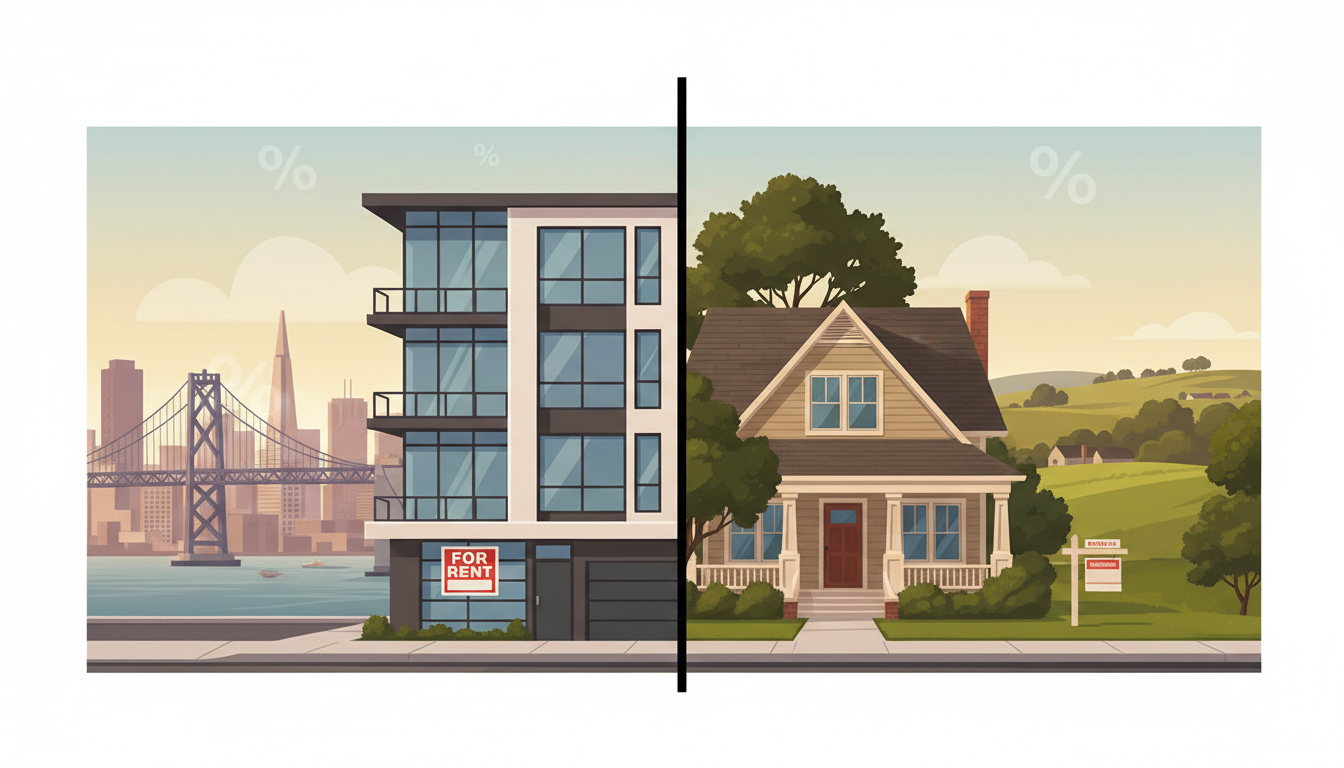
The policy impacts vary significantly across New York State. In New York City, where rent stabilization affects roughly one million units, the changes hit hardest. Upstate markets face different dynamics, with lower baseline rents but also less robust demand that may not justify new construction despite available incentives.
Suburban markets around major employment centers like Albany and Syracuse could see the most benefit from infrastructure funding and streamlined approval processes, particularly for mixed-income developments.
Investment Migration Patterns
Some market observers note shifting investment patterns as operators reassess their New York portfolios. Properties with shorter remaining useful lives or significant deferred maintenance face particular challenges under new improvement cost caps for stabilized units.
“We’re seeing investors get more selective,” explains Jennifer Rodriguez, a real estate attorney who works with institutional buyers. “They’re favoring newer properties with lower anticipated capital needs, or they’re looking at markets with less regulatory complexity altogether.”
Looking Ahead
The ultimate impact of New York’s housing reforms will depend largely on execution. If supply-side incentives successfully generate substantial new construction, they could help moderate rent growth even within the regulatory framework. If they fall short, the combination of strong demand and supply constraints could continue driving affordability challenges despite protective regulations.
For real estate professionals, staying ahead of regulatory changes and understanding their nuanced implications across different property types and markets will be essential. The New York housing market has always required sophisticated analysis—that’s more true today than ever.