



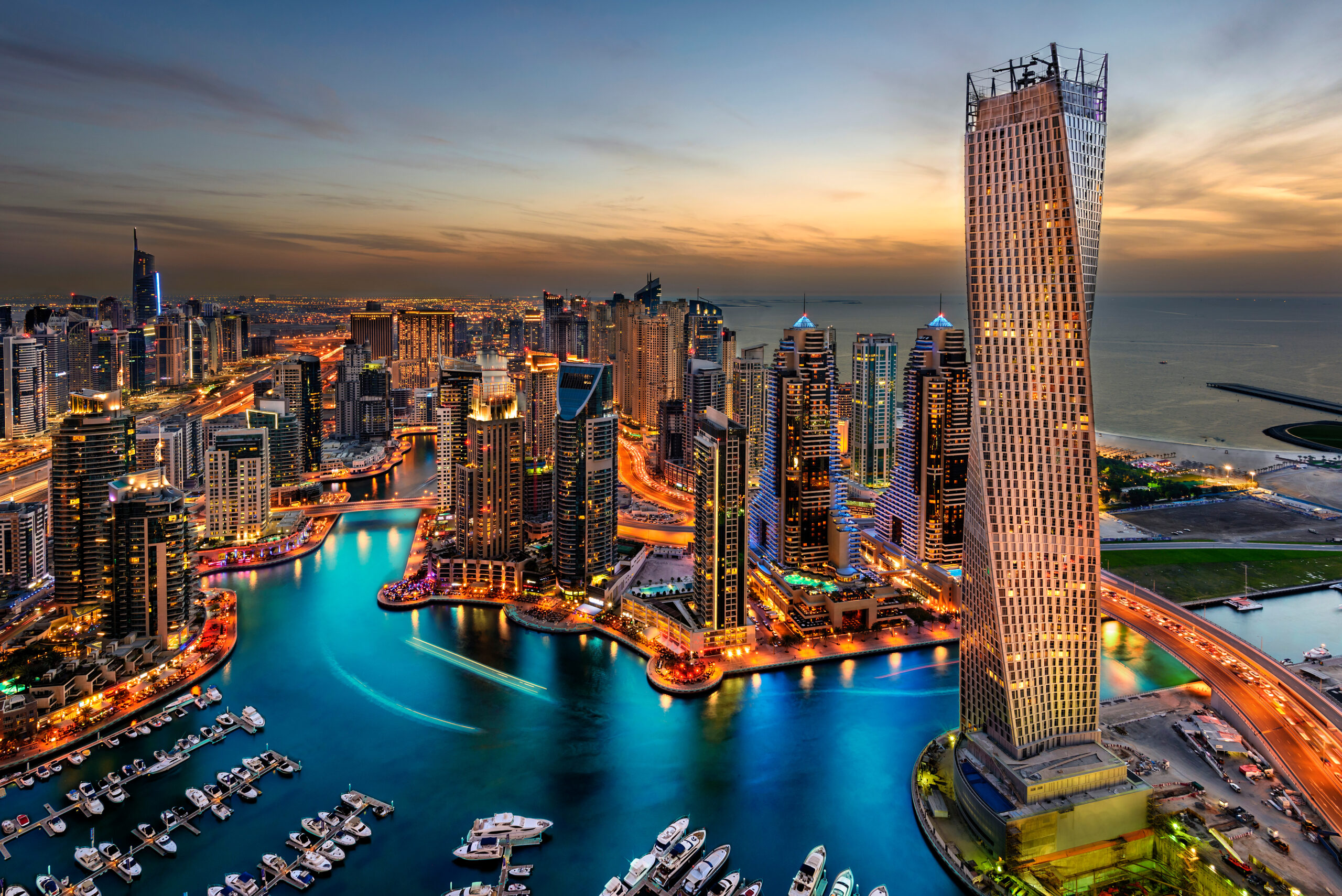
Dubai’s real estate market is undergoing a fundamental transformation. While traditional hotspots like Downtown Dubai and Dubai Marina remain resilient, market momentum is becoming increasingly project-specific, revealing deeper shifts in investor priorities and lifestyle preferences. As the emirate races past record-breaking transaction volumes, six dominant trends are reshaping how and where people invest in property.
1. The Off-Plan Explosion: 70% of All Sales
The most striking shift in Dubai’s market is the overwhelming tilt toward off-plan properties. Off-plan transactions now account for over 70 per cent of all property sales in 2025, marking a decisive pivot from the resale-led market of previous years. Flexible payment plans, anticipated appreciation, and confidence in long-term development have tilted the market away from resales.
Developers launched over 30,000 new residential units in Q1 2025 alone, more than double the volume from the same period last year. Buyers are increasingly betting on future growth rather than immediate returns, particularly in emerging zones. Key zones witnessing strong off-plan demand include areas with improved infrastructure such as Dubai Production City, Dubai Silicon Oasis, Dubai Maritime City, and Downtown Jebel Ali.
However, this rapid supply injection raises questions about sustainability. Some analysts caution that oversupply in peripheral areas could lead to longer vacancy periods and eventual price corrections.
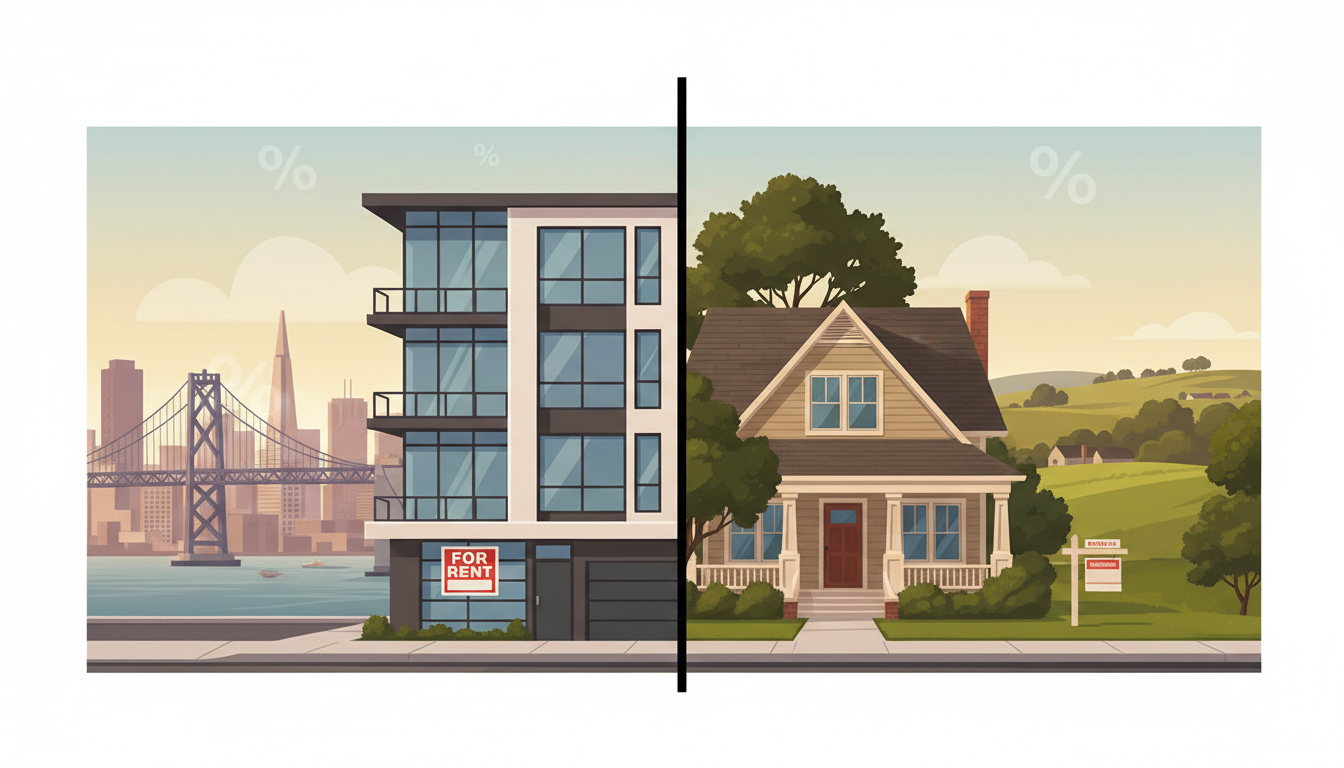
2. The Great Suburban Migration
Rising rents in central areas are triggering a demographic shift toward the periphery. Rising central area rents are pushing residents to suburban locations. Areas like Dubai Silicon Oasis, Jumeirah Village Circle, and Dubai South are evolving into fully serviced lifestyle hubs.
This isn’t simply about affordability. These emerging neighborhoods are transforming into complete lifestyle destinations with integrated amenities, schools, and transport links. Families and young professionals seeking larger homes, quieter environments, and community-oriented living are driving demand in these areas. With Dubai’s population now exceeding 3 million, the city’s outskirts are transforming from commuter districts into fully fledged lifestyle hubs.
Master-planned communities like Dubai Hills Estate, Dubai Creek Harbour, and The Oasis are particularly absorbing this new supply effectively due to their integrated amenities and comprehensive development roadmaps.
3. Wellness and Hybrid Work Amenities
Developers are responding to changing work patterns by reimagining community infrastructure. Developers are expanding their offerings to include wellness-centric facilities such as meditation spaces, co-working lounges, and hydrotherapy pools. The demand for these amenities has grown significantly as hybrid work models gain traction, making them essential for both buyers and renters.
The concept of “vertical villages” is emerging, where mixed-use towers blend residential spaces with coworking areas, cafés, and wellness centers. This fundamentally reshapes the urban living experience, catering to residents’ desires for convenience, flexibility, and community—all within a single development.
4. Master-Planned Communities Dominate Selectivity
With over 80 residential projects launching across Dubai in 2025, buyer selectivity is increasing. Over 80 residential projects have launched across Dubai in 2025. Submarkets such as JVC, Arjan, and Al Furjan are seeing considerable off-plan activity, prompting a need for selectivity among investors. Meanwhile, master-planned areas like Dubai Hills, Dubai Creek Harbour, and The Oasis continue to effectively absorb new supply.
Investors are gravitating toward established master-planned communities rather than scattered individual projects. These integrated developments offer proven track records, comprehensive amenities, and consistent demand absorption—reducing risk in a crowded market.
5. Technology Revolutionizing Real Estate
Artificial intelligence and blockchain are reshaping how property transactions occur. From AI-enabled platforms to tokenised property investments, technology is revolutionising real estate in Dubai. International investors from Europe and Asia are using AR/VR home tours, blockchain-based transactions, and predictive pricing tools to remotely shortlist and purchase properties, adding new global liquidity into the market.
These technological advances are democratizing access to Dubai’s property market, allowing global investors to participate with confidence from afar. Virtual reality tours, predictive analytics, and secure digital transactions are expanding the investor pool significantly.
6. A Structural Shift, Not Speculation
Perhaps most importantly, industry leaders argue that Dubai’s real estate boom represents a fundamental recalibration rather than a speculative bubble. While the record-breaking transaction values of 2025 may suggest a market peak, industry leaders argue this is part of a structural shift, not a speculative cycle. “We are witnessing a long-term recalibration of the UAE’s global position,” said Patrick Rouse of Deyaar. “Dubai is now seen not just as an investment destination but as a place to live, work, and grow.” · The demand is increasingly driven by genuine interest in residency, business expansion, and lifestyle upgrades, not just capital speculation.
Market Fundamentals Remain Strong
According to the Dubai Land Department (DLD), approximately 94,700 investors entered the market in the first half of 2025, marking a 26 per cent increase year-on-year. Notably, 59,000 were new investors, and UAE residents accounted for 45 per cent of this cohort, signaling robust domestic demand alongside global interest.
Data from Hudson Real Estate’s Q4 2025 Dubai Real Estate Market Update indicates a solid year across residential segments: Residential sales prices rose by 20 per cent year-on-year · Rental prices surged 19 per cent across key segments.
Rental dynamics remain stable across the board. Short-term rentals are averaging 65–72 per cent occupancy across the city · Long-term leases under Dhs120,000 per year show 88–90 per cent occupancy · Premium rentals over Dhs300,000 face longer vacancy cycles and slower absorption.
The Path Forward
Dubai’s real estate market in 2025 is no longer driven by headline-grabbing luxury deals or speculative fervor. Instead, investors and residents are making deliberate choices about where and how to invest based on lifestyle preferences, infrastructure development, and long-term value creation. The suburban shift, off-plan dominance, and emphasis on integrated amenities reflect a market maturing into genuine sustainability and purpose-driven development.
For investors navigating this landscape, selectivity and timing remain paramount. But the underlying trends suggest Dubai’s real estate story is far from finished—it’s simply entering a new chapter.