




By Chief Editor Daniel R. Whitmore
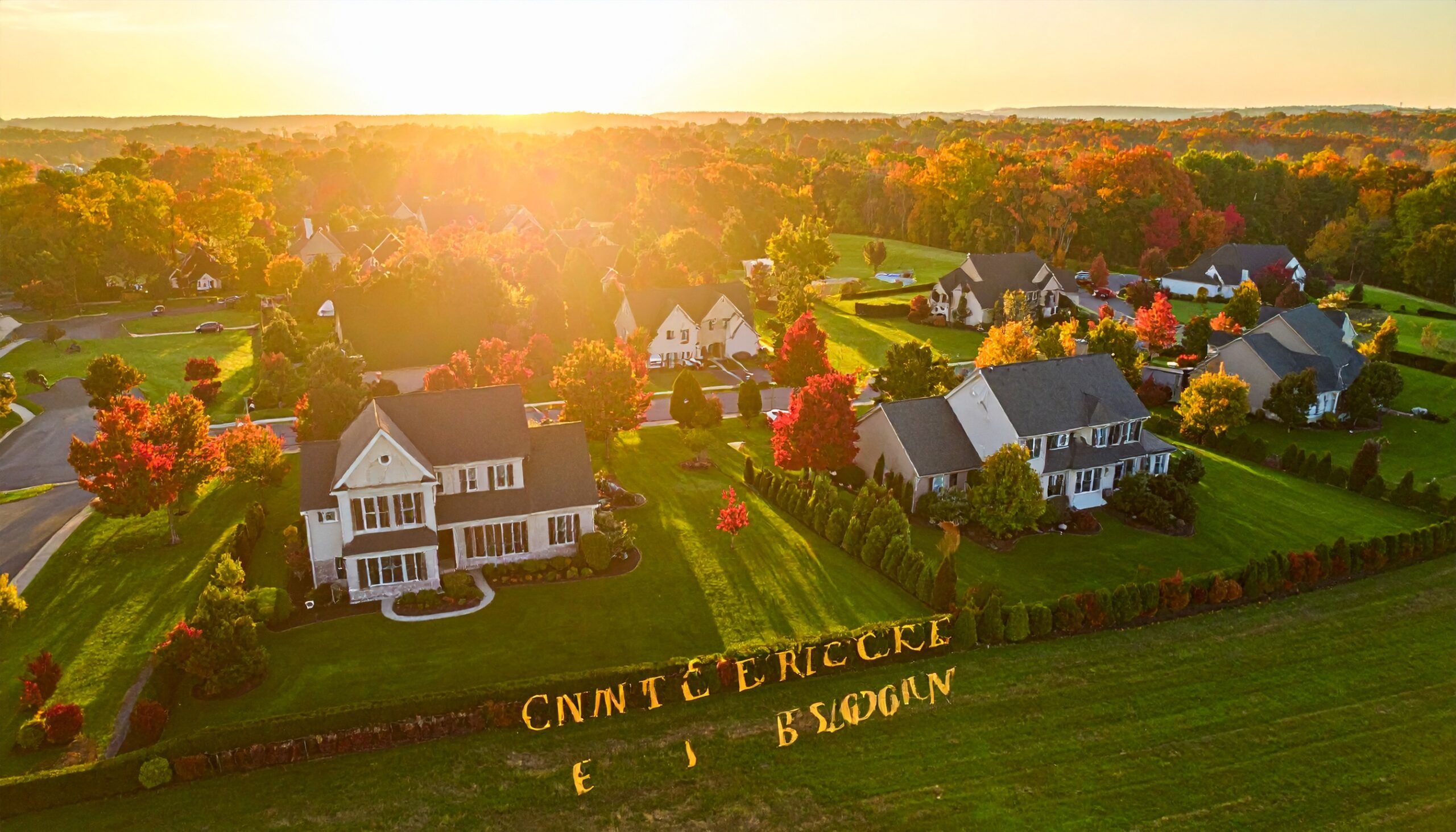
Greenwich, Connecticut — Once a peaceful enclave known for its manicured lawns and stone-lined driveways, Fairfield County has erupted into one of the hottest real estate zones in America. Luxury homes are being snapped up within hours, open houses are overflowing, and bidding wars are pushing prices hundreds of thousands above asking.
According to local brokers, this feverish demand is being fueled by an unexpected catalyst now dubbed the “Mamdani Effect” — a ripple of social and political anxiety driving affluent families from New York City into the suburbs of Connecticut.
A Frenzied Market
“It’s unlike anything I’ve ever seen,” said Mary Ann Heaven, a broker with Berkshire Hathaway in Greenwich. “Every lot is desirable in Greenwich now. We’re seeing 50 or 60 parties showing up to a single open house — that’s roughly three times more than normal.”
In a market already known for its exclusivity, this sudden surge has sent shockwaves through the region. One property recently sold for $2.5 million — more than $500,000 over the asking price, according to Marshall Heaven of M.H. Heaven Real Estate. Another seller reportedly received 90 offers within twelve hours of listing.
“The market is screaming,” said Dimitry Melnikov, owner of Putnam Design in Greenwich. “It’s hot. Places are selling for much more than they are worth. I don’t think it’s normal. I don’t think it’s good. I know it’s not good for New York City.”
The influx is concentrated in Fairfield County towns such as Greenwich, New Canaan, Stamford, and Norwalk, where demand has outpaced supply for months. For locals, the boom has created both excitement and concern — home values are soaring, but inventory has vanished almost overnight.
Who’s Moving In?
Real estate agents describe a distinct demographic behind the migration: young professional families, typically couples between 30 and 45, often with young children.
“The people leaving New York City now are not like the ones who left four or five years ago,” said Marshall Heaven. “They’re not the ultra-rich who’ll keep a pied-à-terre in Manhattan. These are people selling their apartments and moving their families to Connecticut full time.”
For many, it’s about more than space or taxes — it’s a question of safety, stability, and what kind of environment they want their children to grow up in.
The Mamdani Effect
The term “Mamdani Effect” — borrowed from New York Assemblyman Zohran Mamdani, a self-described democratic socialist — has become shorthand for a larger cultural and political trend.
In recent years, progressive movements in New York City have championed tenant protections, increased taxes on luxury properties, and a push toward redistributive economic policies. To some, these are steps toward fairness. To others, especially high-income earners and business owners, they signal uncertainty.
“I grew up in Belarus; I’m familiar with socialism,” said Melnikov. “It’s not going to work in New York City. To lay socialism on top of capitalism? That’s not going to work.”
While not all movers cite politics, brokers say it’s undeniably part of the conversation. John Antretter, a Manhattan and Brooklyn broker, believes safety and schooling concerns are equally important.
“I think the major thing that will affect people would be something as simple as free bus tickets, as bad as that sounds,” Antretter said. “If people feel unsafe sending their kids across town on the bus every day, that’ll be the No. 1 driving force.”
In other words: it’s not just about money — it’s about mindset.
The Ripple Effect on New York
As Connecticut enjoys its boom, New York City faces a subtle but growing dilemma. When upper-middle-class families leave en masse, they take not just their purchasing power but their tax contributions and civic engagement.
“Every time a family cashes out and relocates, the city loses a layer of stability,” said one Manhattan economist familiar with migration trends. “It’s not the billionaires leaving — it’s the people making $400,000 to $800,000 a year who pay a disproportionate share of city taxes. That’s the group you can’t afford to lose.”
Still, others caution against overstating the trend. They point out that Manhattan’s luxury condo market is slowly stabilizing and that urban living retains its pull for singles and professionals. The Mamdani Effect, they say, is more psychological than permanent — a pendulum swing that could slow once political or economic winds shift.
A Boom With Consequences
Back in Greenwich, though, the boom shows no sign of slowing. Builders are racing to keep up with demand, but construction costs, zoning rules, and limited land are bottlenecking supply.
“I’ve seen a lot of markets,” Melnikov said. “This one feels unsustainable. When houses start selling for half a million over asking in 24 hours, that’s not healthy growth. That’s panic buying.”
Still, panic or not, Fairfield County’s fortunes have rarely looked brighter. Restaurants are busier. Private schools are seeing record applications. And longtime residents, many of whom watched property values stagnate for years, are now sitting on unexpected goldmines.
Even so, some locals worry that the town’s character could change. Greenwich has long prided itself on a blend of old New England charm and quiet affluence — qualities that could erode under pressure from speculative investment and population churn.
What Comes Next
Economists suggest that if the current pace continues, Connecticut could see long-term shifts in demographics and housing policy. The state, historically cautious about rapid development, may need to rethink zoning to accommodate the influx.
And while the Mamdani Effect began as a reaction to politics and safety, it may evolve into something larger — a permanent rebalancing between city and suburb, between density and space, between ideology and pragmatism.
“People are confident that the winds of change happening down there [in New York City] are not happening up here,” said Mary Ann Heaven. “That sense of stability — that’s what they’re buying.”
In the end, the Connecticut boom is more than a real estate story. It’s a story about identity — about what people value, where they feel safe, and how social movements in one place can ripple across borders to reshape another.
Whether the frenzy cools or continues, one thing is clear: Fairfield County has become the front line of America’s latest migration wave — and a mirror reflecting what many urban families are thinking but not yet saying out loud.