





By Chief Editor Marcus Delaney
December 2025
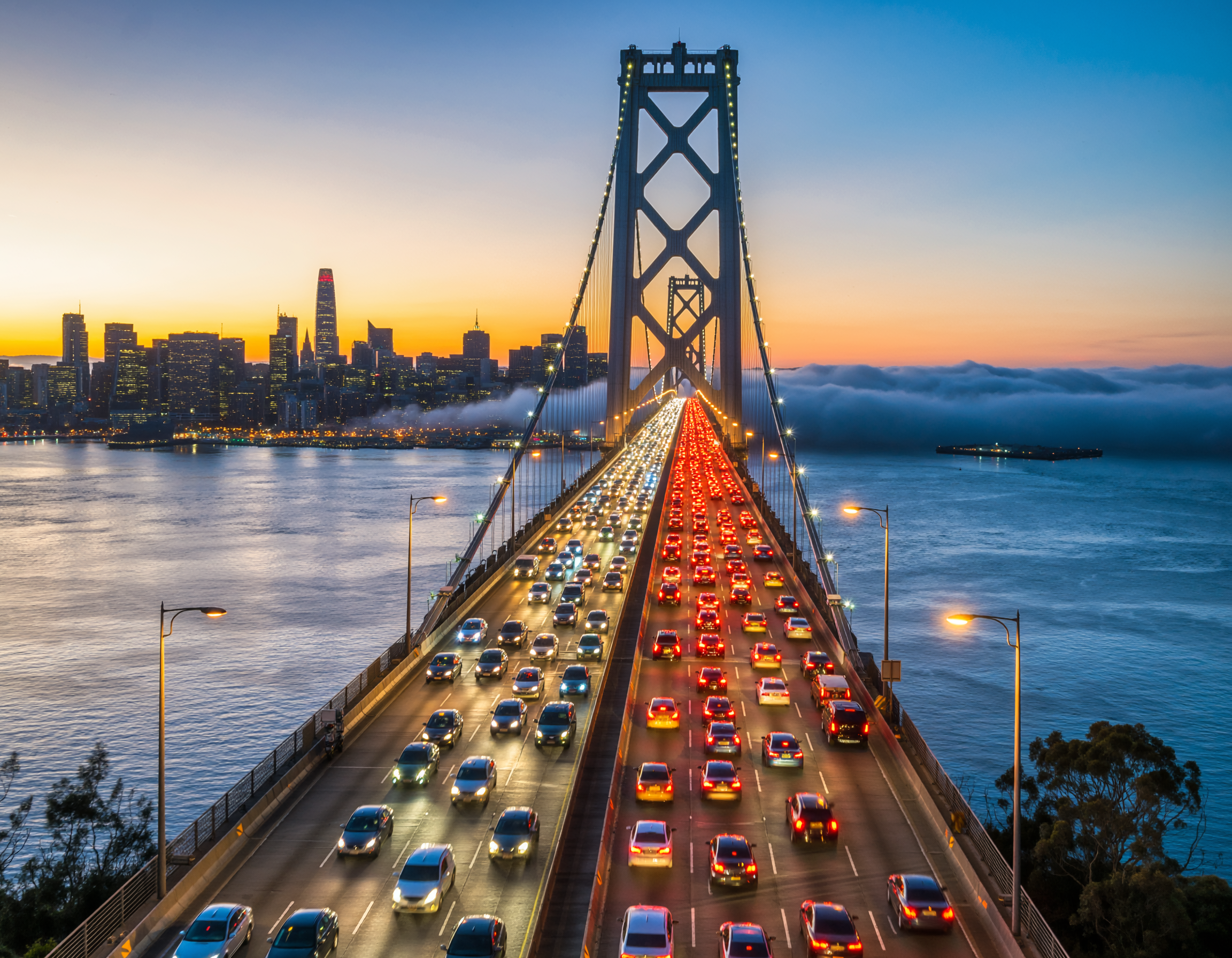
Bay Area commuters will soon feel another shift in the cost of daily travel, as toll prices are scheduled to increase across the region’s major state-owned bridges beginning in January 2026. The changes will affect seven key crossings that connect large portions of the housing market, employment centers, and commuter routes throughout Northern California.
For homeowners, renters, and buyers alike, rising transportation costs are becoming an increasingly important part of the overall cost of living equation.
Toll Rates Begin Rising in January 2026
Starting in January 2026, the flat toll rate for most Bay Area state-owned bridges will increase from $8.00 to $8.50. While the initial increase may seem modest, larger changes are already set into motion for the following years.
Beginning in January 2027, a tiered payment system will be introduced. Drivers using electronic toll systems will pay $9.00 per crossing, while those using pay-by-mail or invoice billing will be charged $10.00.
By the year 2030, tolls are expected to rise further. FasTrak users will pay $10.50, pre-registered license plate accounts will be charged $10.75, and pay-by-mail drivers will face tolls of $11.50 per crossing.
These toll increases will affect the Bay Bridge, San Mateo Bridge, Dumbarton Bridge, Richmond-San Rafael Bridge, Carquinez Bridge, Benicia-Martinez Bridge, and Antioch Bridge.
Why Tolls Are Increasing
Officials say the increases are being driven by rising maintenance and infrastructure costs. Several of the region’s bridges are now approaching or exceeding major age milestones.
The Bay Bridge, now more than 80 years old, requires ongoing steel preservation, additional pier protection, structural inspections, and cable maintenance. These upgrades are intended to extend the lifespan of the bridge and improve long-term public safety.
Transportation officials acknowledged that costs are rising at a difficult time for many households, but said funding is needed to prevent long-term structural deterioration.
Golden Gate Bridge on a Separate Track
The Golden Gate Bridge operates under an independent system and follows a different toll schedule. As of 2025, tolls range from $9.75 to $10.75 depending on payment method. By 2028, those prices are projected to climb to between $11.25 and $12.25.
This means Bay Area commuters who rely on the Golden Gate crossing could face even higher transportation costs than neighboring bridge users in the coming years.
Impact on Housing and Real Estate
Transportation costs play a growing role in housing affordability, especially in commuter-heavy areas such as the South Bay, East Bay, and North Bay. Increased tolls can influence where buyers choose to live, how far they are willing to commute, and whether remote work becomes a more attractive option.
Real estate professionals are already seeing buyers place greater emphasis on commute distance, public transit access, and location efficiency as household expenses continue to rise.
For renters and first-time buyers, even modest increases in monthly commuting costs can affect long-term budgeting decisions and housing choices.
What Drivers Can Do Now
Drivers can reduce future toll expenses by enrolling in electronic payment systems or registering their license plates to avoid the highest pay-by-mail charges. Planning routes carefully and considering off-peak travel options may also help limit long-term commuting costs.
As tolls rise through the end of the decade, transportation expenses will continue to be an important factor shaping the Bay Area’s housing market.